Professional designer and manufacture of CCD machines for ONE STOP SOLUTION.
Language
Professional designer and manufacture of CCD machines for ONE STOP SOLUTION.
What are the commonly used solvents for screen printing?
Solvents are mainly used in screen printing to adjust the viscosity of the ink, adjust the drying speed of the ink, and clean the screen printing plate and printing squeegee after printing. Commonly used solvents are mainly aliphatic hydrocarbons, aromatic hydrocarbons, ketenes, esters, ethanol, glycol ethers and other six categories. The solvents in each category can be divided into several categories.
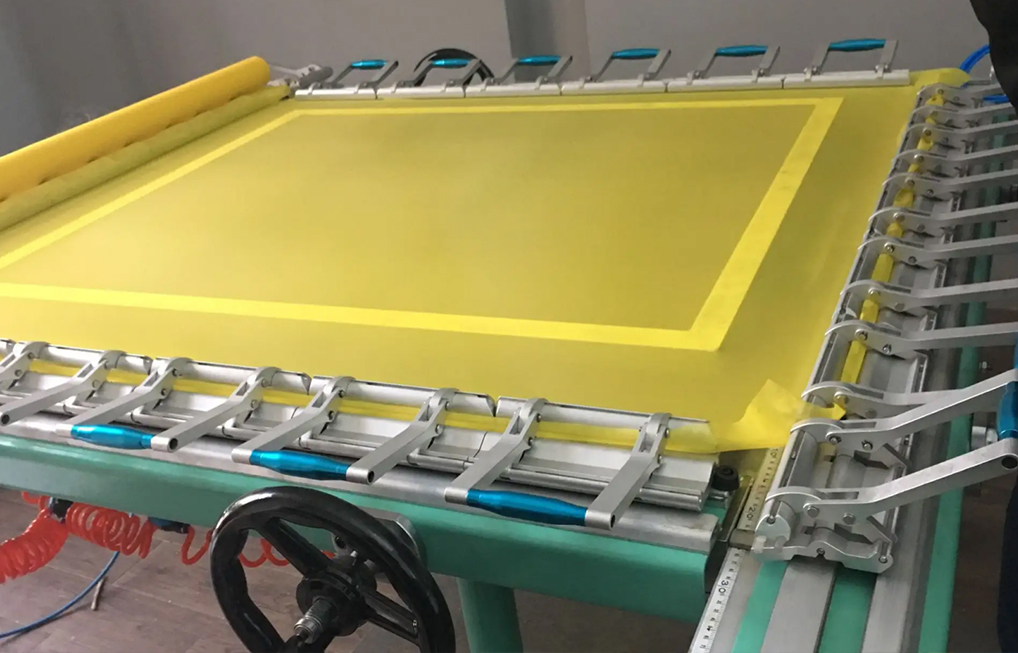
How many coating methods are there for the photosensitive solution?
The coating method of photosensitive liquid can be divided into two categories: manual coating and mechanical coating according to the operation method. Each category can be subdivided into several subcategories, which are described in detail as follows:
Manual coating can be divided into the following methods due to the different tools used.
① Brush with a lint-free brush.
② Scratch coating with a thin plastic plate.
③ Scrape coating with stainless steel scraper.
④ The casting coating method is also a kind of manual coating and plate making. Its special feature is that it is not directly coated with a tool, but the photosensitive glue is placed in a container, and the photosensitive glue is directly and continuously poured on the vertically erected screen frame plate, so that the photosensitive glue automatically flows down, and is placed on the screen. Form a film. This plate making method is suitable for making screen printing plates with special effects.
⑤ The above ①, ②, ③ kinds of manual coating are more suitable for small size screen printing plates, and the operation is simple.
⑥ Mechanical coating mainly refers to the coating of photosensitive liquid through mechanical action. Mechanical coating can be divided into semi-automatic and fully automatic coating (semi-automatic coating requires manual operation in addition to mechanical coating. Fully automatic coating is completed automatically by machinery). Mechanical coating is suitable for large area screen coating.
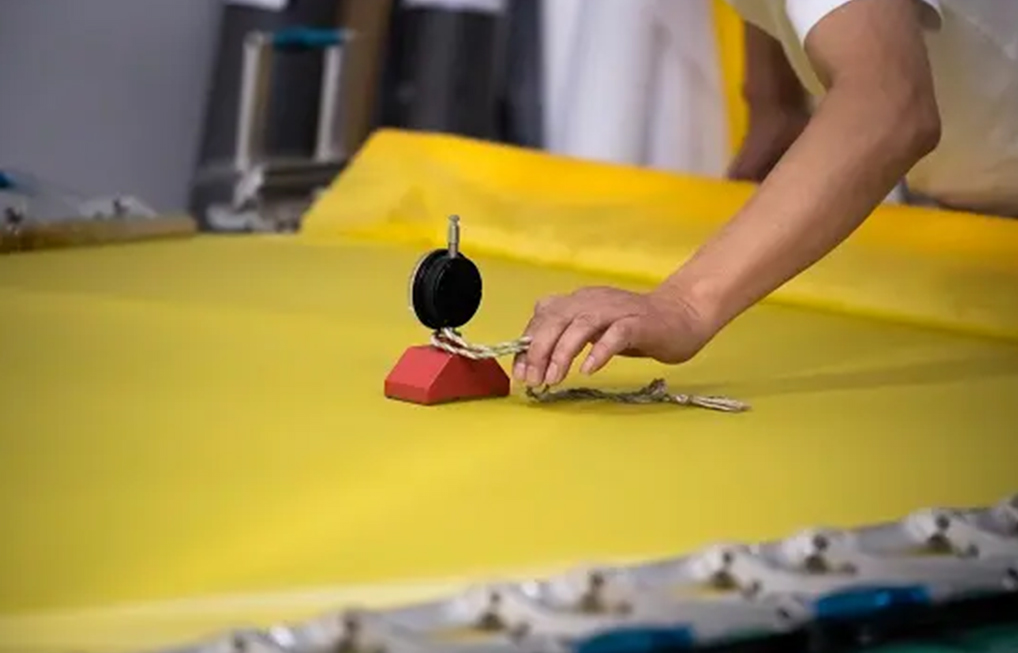
What is the significance of double exposure? How to master the double exposure time?
In order to further improve the water resistance, friction resistance, solvent resistance, and increase the strength and fastness of the screen printing plate, and improve the printing resistance, the double exposure method is usually used to The screen printing plate is hardened (in addition to the double exposure method, drugs are also used to harden the screen printing plate). The secondary exposure time is usually determined according to the actual situation of the screen, including the selected screen, the thickness of the coating film and many other factors. Generally, the secondary exposure time is about 1-3 times of the primary exposure time.
Screen printing plates are hardened and are suitable for mass printing and single-use screen printing plates. Under what circumstances can the screen printing plate not be subjected to screen hardening treatment? First of all, screen printing plate hardening treatment may not be carried out in small batch printing. Secondly, when the screen printing plate is ready to be released after printing) and the screen printing plate is reused, the secondary exposure hardening treatment cannot be performed, otherwise it will cause difficulty in release.
When making screen printing plates, what are the basic conditions for selecting light sources?
When making screen printing plates, the basic conditions for selecting light sources are as follows:
① Light source intensity The light source used must have a certain intensity. A class of manuscripts should be able to meet the needs of exposure in a short time.
②Stability requires that the intensity of the light source used must be stable during the exposure process, and it cannot be strong or weak. '
③ Light source illumination uniformity The illumination intensity of the light source used on the manuscript must be consistent. That is, the center and surrounding positions of the original must be under the same light intensity.
④ The light source used with high efficiency should be exposed in a short time, and the exposure effect can be achieved.
⑤ Simple operation and maintenance The selected light source equipment should be easy to operate and easy to maintain.
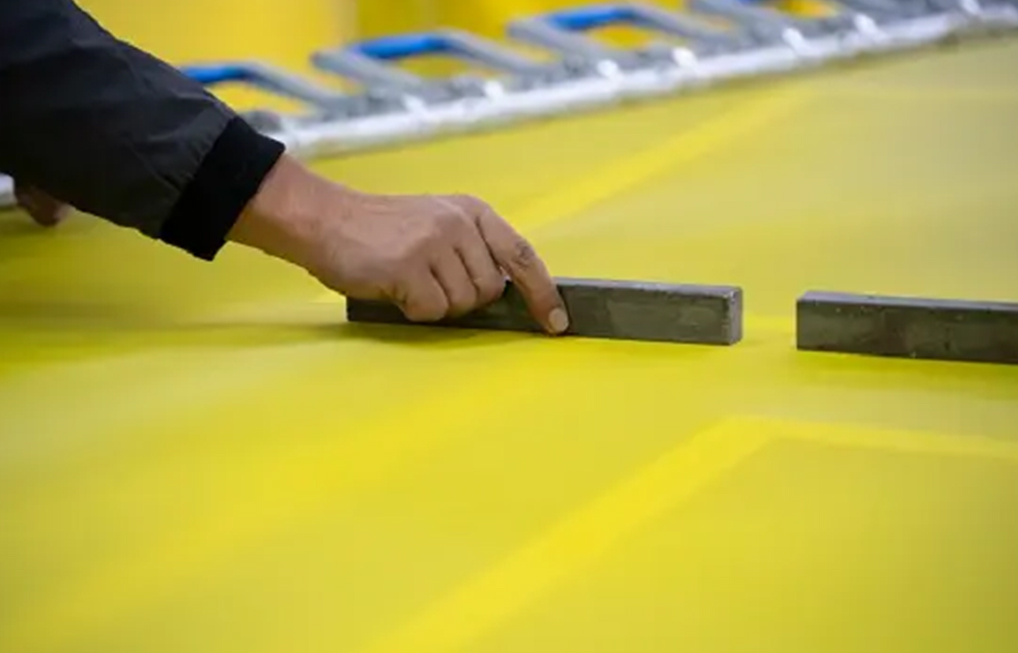
How to calculate the thinnest width of silk screen to reproduce fine lines?
In screen printing, the printing accuracy of the replica is closely related to the screen, and the number of screen meshes has an important influence on the reproduction of the fine lines of the original. Corresponds to the fine lines of printing. Make the selected screen specifications have the performance of reproducing the fine lines of the original, so as to ensure the printing effect.
Screen printing fine lines generally refer to the line width between 0.1-0.2 mm. The thinnest width of the fine lines reproduced by the silk screen refers to the width value of the thinnest line that can be reproduced by the selected silk screen in screen printing? This is usually directly related to the width of the mesh and mesh. When selecting a mesh, the following formula can be used as a basis for the calculation of the mesh selection. The formula for calculating the width of the thinnest line:
K=2S+R In the formula: K represents the width of the thinnest line, S represents the width of the wire diameter of the wire mesh, and R represents the width of the mesh.
Calculation example: If 200 mesh/inch nylon wire mesh is used, what is the smallest width of the reproduced line?
Check NM200 inch wire mesh, the wire diameter (S) is 0.05 mm, the mesh width (R) is 0.077 mm, Substituting into the above formula, K=2×50+77=177=0.177 mm, then
the minimum width of the reproduction line of the NM200 mesh/inch screen is 0.177 mm.
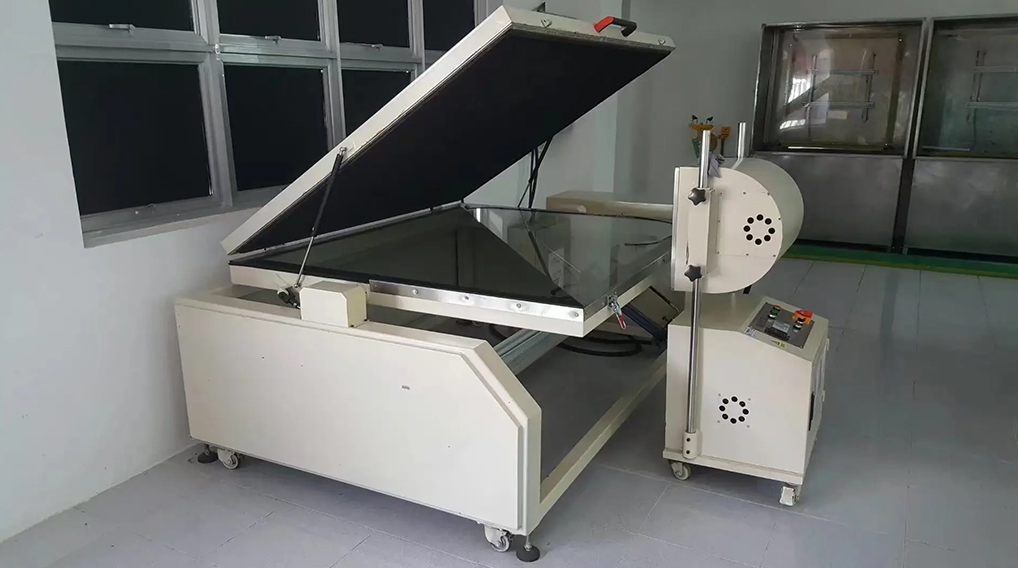

VILITY is a Professional manufacturer, providing ONE-STOP SOLUTION for intelligent printing industry.

