Professional designer and manufacture of CCD machines for ONE STOP SOLUTION.
Language
Professional designer and manufacture of CCD machines for ONE STOP SOLUTION.
What are the main characteristics of the screen material for screen printing?
The commonly used wire meshes in screen printing include silk mesh, nylon mesh, polyester mesh, and stainless steel mesh. The main characteristic indicators of various wire meshes are as follows.
① Tensile strength [g (g)/D (diameter)] spun mesh is 3.7-4.1g (g)/D diameter), nylon mesh is 4.5-5.8g (g)/D (diameter) ), polyester wire mesh is 4.3-5.5g (g)/D (diameter), and stainless steel wire mesh is 1.5g (g)/D (diameter).
② Dry and wet strength ratio (%): 92~100% for tulle, 89~r90% for nylon, 100% for polyester and 100% for stainless steel.
③ The nodule strength [g (gram)/D (diameter)] is 2.9g (gram)/D (diameter) for tulle, and 4.5-5.4g (gram)/D (diameter) for nylon mesh. The polyester mesh is 3.4-4.4g (gram)/D (diameter).
④ Tensile elongation (%) 8-22% for tulle, 26-32% for nylon, 30% for polyester 16", 38% for stainless steel.
⑤ Wet and dry elongation ratio (%) tulle 120-134%, nylon wire mesh is 115" 122%, polyester wire mesh is 100%, stainless steel wire mesh is 100%.
⑥ Tensile recovery rate (%, calculated at 3% elongation) When the spun mesh is 80 -
the moment of inertia of the aluminum material and the moment of inertia of the steel material are 15.088 cm to the 4th power, and the cross-sectional shape of the wooden mesh frame is a solid rectangle ( 5 × 4 cm), the moment of inertia is 41.667 cm to the 4th power.
⑦ Density, expressed in grams per cubic centimeter. The density of wood is 0.9 g/cm3, the density of steel is 7.8 g/cm3, and the density of aluminum is 2.7 g/cm3.
⑧ Thermal expansion coefficient (10'/℃). The thermal expansion coefficient of aluminum material is 2.410'/℃, the thermal expansion coefficient of steel material is 1.2 10'/℃, and the thermal expansion coefficient of wood material is 3.0 10'/℃.
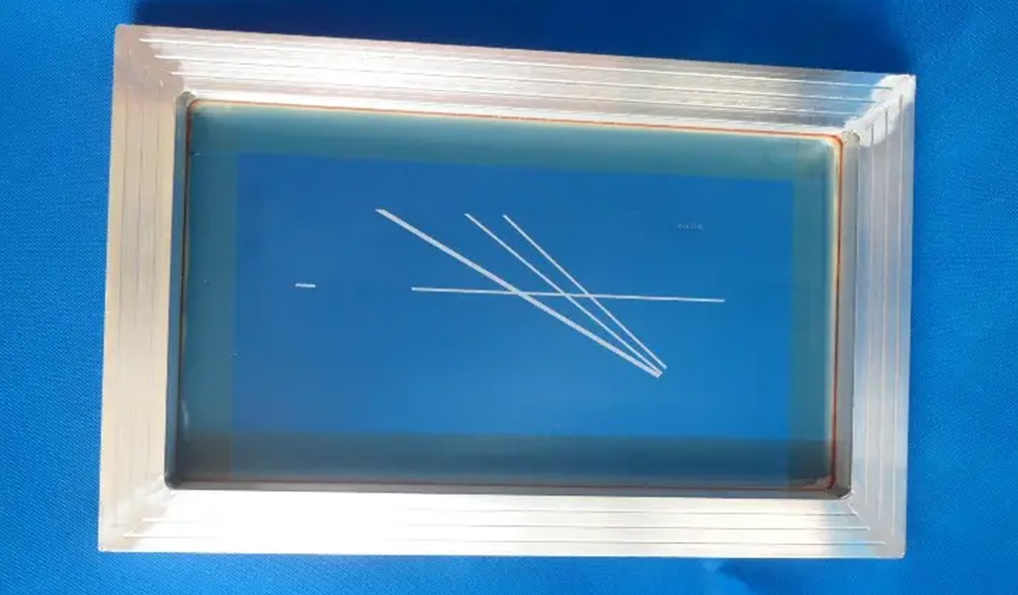
What are the characteristics of nylon mesh for screen printing?
Nylon wire mesh is made of chemical synthetic fibers and belongs to the polyamide series. Nylon wire mesh has high strength, good abrasion resistance, chemical resistance, water resistance and elasticity. Due to the uniform wire diameter and smooth surface, the ink passability is also excellent. The disadvantage is that the stretchability of nylon mesh is relatively large. The tension of this kind of screen is reduced for a period of time after the screen is stretched, which makes the screen printing plate slack and the accuracy decreases. Therefore, it is not suitable for printing circuit boards that require high dimensional accuracy.
What are the characteristics of polyester screen for screen printing?
Polyester wire mesh is also made of chemical synthetic fibers and belongs to polyester series. Polyester wire mesh has the advantages of solvent resistance, high temperature resistance, water resistance and chemical resistance. Polyester wire mesh has stable physical properties and small stretchability when subjected to large external pressure. The disadvantage is that it has poor abrasion resistance compared with nylon wire mesh. In addition to the advantages of nylon screen printing, polyester screen is also suitable for printing printed circuit boards with high dimensional accuracy requirements.
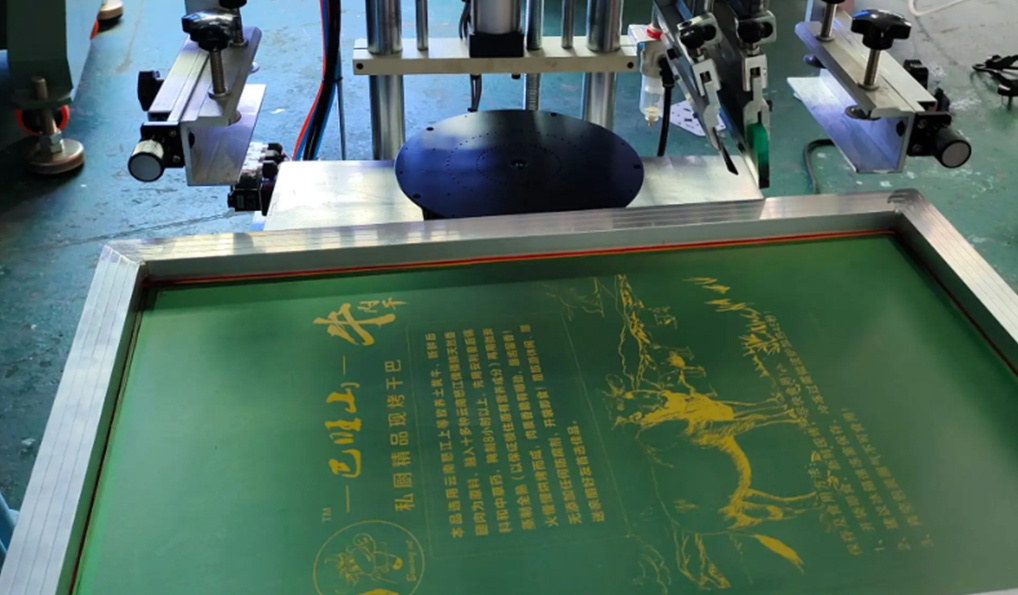
What are the characteristics of stainless steel wire mesh for screen printing?
Stainless steel wire mesh is made of stainless steel. The characteristics of stainless steel wire mesh are good wear resistance, high strength and small technical elongation; due to the fine wire diameter, the ink passing performance is good; the mechanical and chemical properties of the wire mesh are stable, and the dimensional accuracy is stable. The disadvantage is that the elasticity is poor and the price is more expensive. After the wire mesh is stretched, it cannot be restored to its original state. Stainless steel wire mesh is suitable for high-precision printing such as circuit boards and integrated circuits.
How to choose wire mesh?
Screen is the basis of screen printing. Choosing the right wire mesh is an indispensable link. Since screen printing has a very wide range of applications, there are many factors related to it. When selecting a screen, it is necessary to choose different screen according to the specific situation and printing requirements. Usually, the screen can be selected from the following different angles.
①Select the screen according to the type of substrate. When selecting, choose and use according to several categories such as fiber fabrics, paper products, glass, ceramics, metals, plastics, wood products, and electronic products.
②According to the nature of the ink, the different inks of the screen have different adaptive characteristics. Therefore, factors such as the drying time and color vividness of the ink, and the ink absorption capacity of the substrate should be considered when selecting the screen.
③ According to the material and performance of the wire mesh, the material and physical properties of the wire mesh itself should be considered when selecting the wire mesh, and the corresponding wire mesh should be selected according to different suitability. ④ According to the printing requirements, the screen should be selected, and the printing speed, printing pressure, printing durability of the printing plate, and substrate absorption capacity should be considered when selecting.
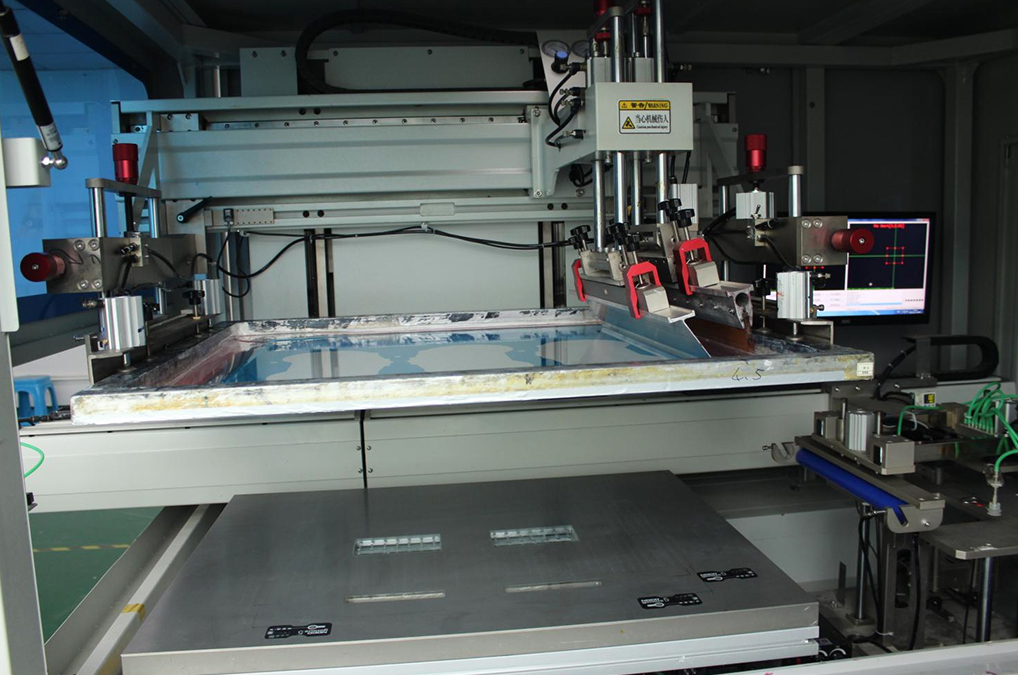
What problems should be paid attention to when choosing wire mesh?
Several ways to choose a wire mesh have been introduced earlier. But the choice of wire mesh is not a simple problem. In addition to considering the screen, it is also necessary to consider various constraints related to it, such as the cost of ink and substrates. Master the selection method and pay attention to the relevant problems, and choose the appropriate wire mesh to be handy. When choosing a wire mesh, you should pay attention to the following aspects.
①First of all, consider how easy it is for the ink to pass through the screen, which is generally considered more in the selection process. The ink for intermediate tone uses high-transparency ink, the pigment particles are relatively fine, the ratio of the pigment vehicle is higher, and the ink has better passability. Good ink passability; inks for special purposes, inks with high pigment concentration, although fine particles have relatively poor passability.
②If the surface of the substrate is rough, generally use a lower mesh screen. Such as leather, canvas, foam sheet, wood and other materials printing. Because the surface of the substrate is rough and the ink absorption is strong, a screen with a lower mesh should be used to ensure that enough ink passes through.
③Select the silk screen according to the fineness of the original text lines. Contrary to the above situation, in general fine lines should choose high mesh screen.
④The cost should also be considered when selecting the screen. On the premise of meeting the printing requirements, try to choose the screen with the lower price.
How to choose and use silk screen according to the substrate?
In screen printing, there are many kinds of substrates, and the substrate materials also have their own characteristics. Usually, the selection of the screen can be based on the substrate material.
①Fiber fabric printing When the substrate material is fibrous fabric, such as: clothes, scarves, ties, school bags, etc., thin silk net, nylon screen or polyester screen can be used.
②Paper printing When the substrate material is paper, such as advertising pictures, business cards, wallpapers, calendars, etc., you can choose thin tulle, thick tulle, nylon screen, thin polyester screen, multi-filament polyester Wire mesh, monofilament polyester wire mesh.
③Printing of plastics, glass, ceramics, metal products and wood products When the substrate material is glassware, metal containers, wood, ceramics, plastic products, toys, etc., thick spun mesh, monofilament nylon mesh, and thin polyester yarn can be used. Net, thin tulle, stainless steel wire mesh.
④Printing of electronic devices When the substrate material is a circuit board, such as: integrated circuits, semiconductor components, insulating cloth, TV components, etc. Available in thick tulle, monofilament nylon or multifilament polyester.
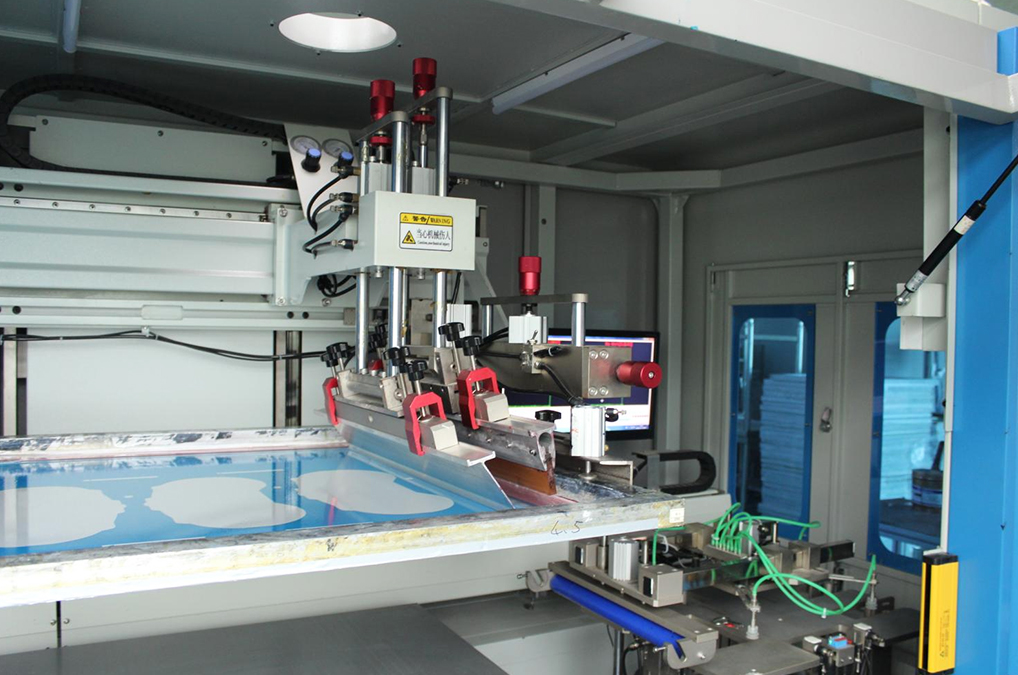
How are the new and old models of domestic wire mesh and foreign wire mesh models expressed?
According to the specification table of nylon and silk screens promulgated by the national standard GB2014-80, the expression methods of wire mesh models are as follows: JF: Indicates nylon (JIN) (or called Nylon) square (F ANG) flat group JP: Indicates nylon flat (PING) twisted organization. JQ: Indicates nylon yarn full hank weave. JCQ19: Indicates nylon silk blended full (QUAN) hank weave. CQ: Indicates the silk full hank weave. CB: Indicates the silk half hank structure. CP: Indicates silk plain weave. The old model of JF type wire mesh is represented by SP. JP type wire mesh old models are represented by NX. The JCQ type wire mesh 110 model is indicated by GG. J: Indicates brocade (JIN) fiber (generally called nylon). C: represents silkworm (CAN) silk. Q: Indicates the whole (QUAN) hank weave. B: Indicates half (BAN) hank structure. P: Indicates flat (PING) twisted tissue. F: Indicates square (FANG) flat organization.
The representation method of the Swiss wire mesh specification model is as follows: S: Indicates the "S" type wire mesh. The wire diameter is thin, the wire mesh is thin, and the mesh is larger. Ideal for reproduction of artwork and photo-screening. T: Indicates "T" type wire mesh. The wire diameter is thicker than the S type, and the mesh is smaller than the S type. It is suitable for making image or text screen printing plates composed of color blocks or lines. HD: Indicates "HD" type wire mesh. The wire diameter is the thickest, the mesh hole is the smallest, and the wire mesh is the thickest, which is suitable for making pattern pattern screen printing plates composed of thick lines. Example: 77 T, which means 77 mesh T-shaped wire mesh. 90 HD, means 90 mesh HD screen. The representation methods of Japanese wire mesh specifications are as follows: NP, SSP, SP, (GG.) represent silk products, plain weave and multifilament, respectively. No NO66-No66-S represents nylon products plain weave, woven monofilament. No, NoS, TPM, TNP, TP represent polyester products, plain weave, No, NoS, TPM are monofilament, TNP, TP are multifilament, TP means warp is monofilament, weft is multifilament. #No means stainless steel wire mesh, there are plain weave, Aya weave (single thread).
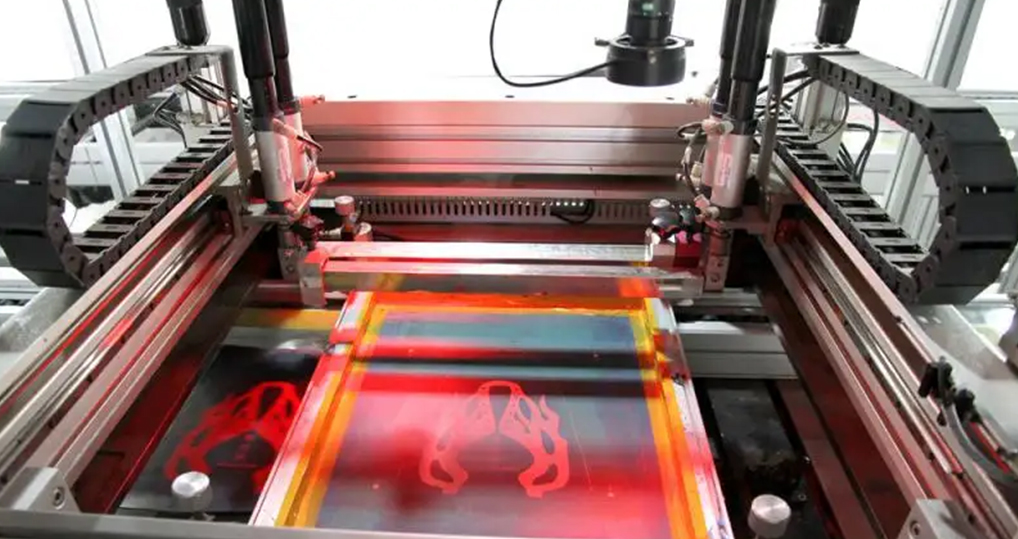

VILITY is a Professional manufacturer, providing ONE-STOP SOLUTION for intelligent printing industry.

