Professional designer and manufacture of CCD machines for ONE STOP SOLUTION.
Language
Professional designer and manufacture of CCD machines for ONE STOP SOLUTION.
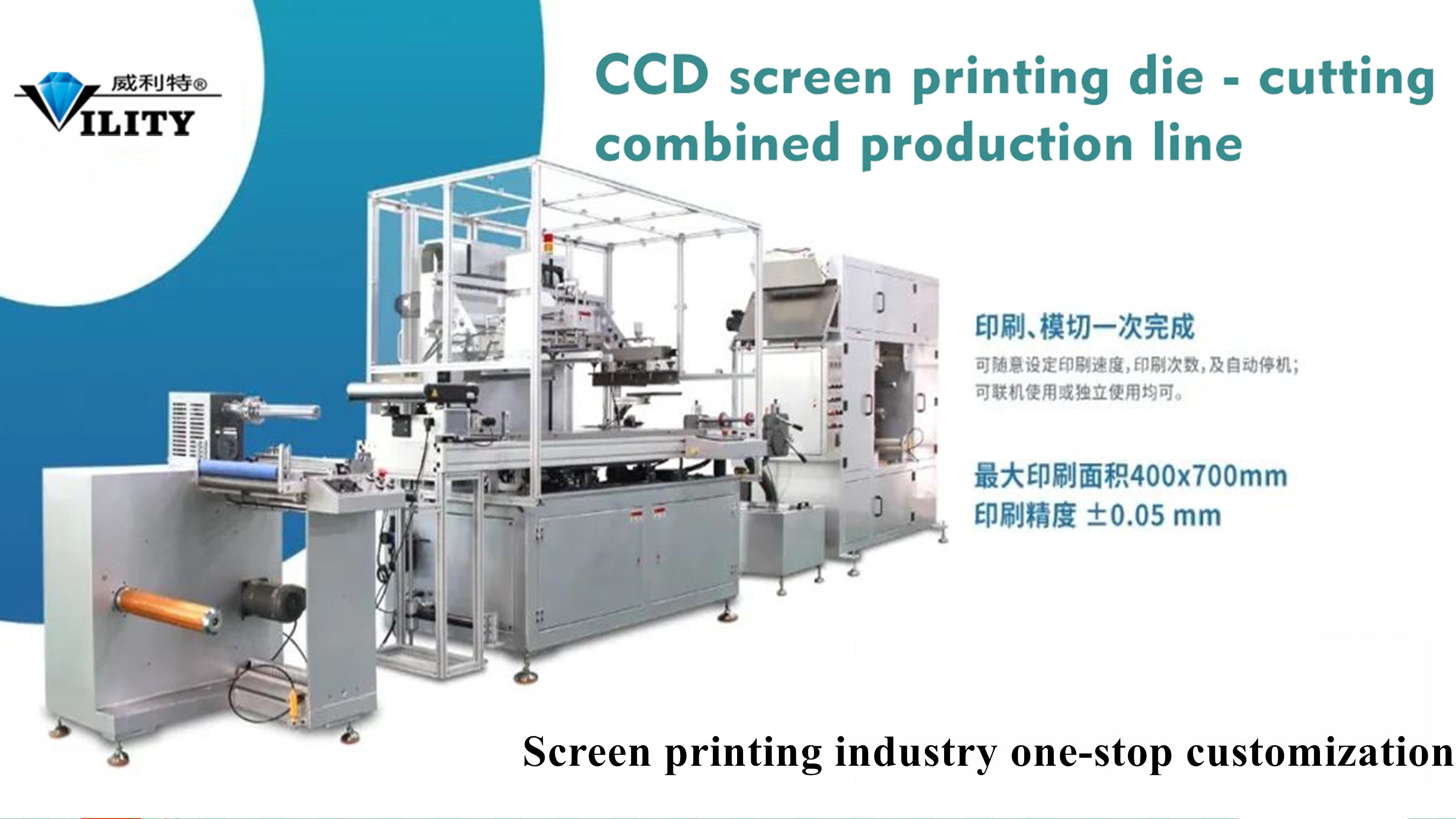
Screen printing refers to the use of screen cut-out plates and printing materials, by scraping to get the graphics method, referred to as screen printing method. The accuracy of the graphics produced by the screen printing method is lower than that of the photochemical method, but the process is simple, the production efficiency is high, the cost is low and it is suitable for mass production.
Screen printing is a type of perforated printing, which is known as one of the four main printing methods, together with lithography, letterpress and gravure. Screen printing equipment is simple, easy to operate, easy and inexpensive to print and make plates, and highly adaptable. Unlike the other three methods, it is not only possible to print on a flat surface, but also, as the screen can partially encase a three-dimensional object, this makes it possible to print images and text on an already formed product.
01 Origin of the screen printing process
Transcription printing is the simplest form of perforated printing and began in the late 19th century. In this type of printing, a wax paper graphic plate is made on special wax paper by means of a typewriter or an iron pen. The wax paper plate is printed on with an ink roller, and the desired printing effect is obtained on the substrate. The most widely used of the perforated plates is screen printing.
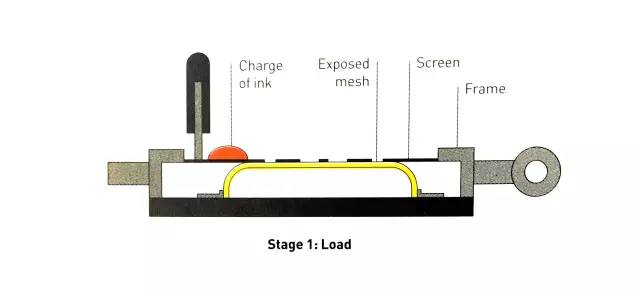
Diagram of screen printing on paper
Screen printing is the production of a screen printing plate by hand-engraved lacquer film or photochemical plate making using silk, synthetic fabrics or metal screens taut on a screen frame. Modern screen printing techniques, on the other hand, use light-sensitive materials to produce a screen plate by photographic plate making (so that the screen holes in the graphic part of the plate are through-holes and the non-graphic part of the plate is blocked).
02 Working principle
Screen printing consists of five main elements: the screen printing plate, the squeegee, the ink, the printing table and the substrate.
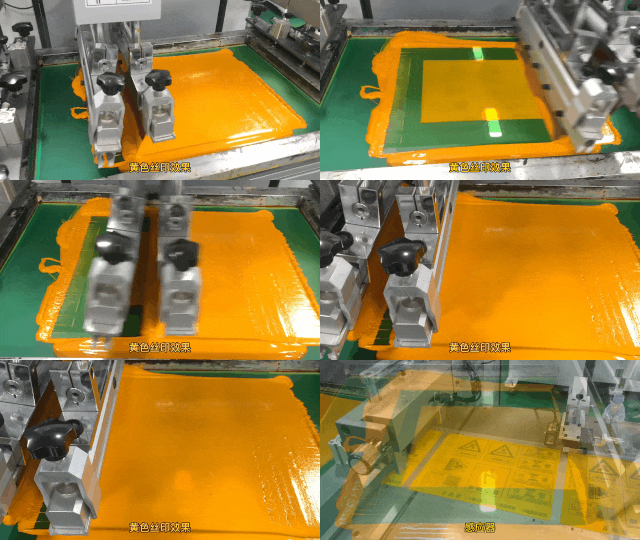
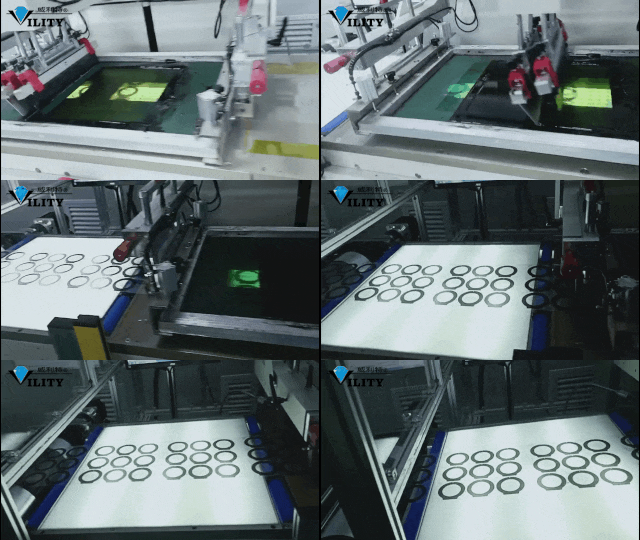
The basic principle of screen printing is that the graphic part of the screen plate is permeable to ink and the non-graphic part of the screen is impermeable to ink. The ink is poured onto one end of the screen printing plate and a squeegee is used to apply a certain amount of pressure to the ink area on the screen printing plate while moving towards the other end of the plate. The ink is squeezed into the substrate by the squeegee from the mesh of the graphic part during the movement. Due to the viscous effect of the ink and the print fixation within a certain range, the printing process is always in line contact with the screen printing plate and substrate, the contact line with the scraper to move and move, as the screen printing plate and substrate to maintain a certain gap between the screen printing plate through its own tension and produce a reaction force on the scraper, the reaction force is called rebound force.
Due to the role of rebound force, so that the screen printing plate and the substrate is only moving line contact, while the other parts of the screen printing plate and the substrate for the disengagement state. So that the ink and screen fracture movement, to ensure the printing size accuracy and avoid rubbing dirty substrate. When the squeegee is lifted after scraping the entire page, the screen plate is also lifted and the ink is lightly scraped back to its initial position. This is a printing stroke.
The four main parameters of screen printing are the mesh size of the screen, the angle of the screen, the tension of the screen and the thickness of the emulsion.
Factors that must be considered when choosing a screen
1. Choice of mesh mesh
Mesh: is the unit of accuracy of the screen, like the number of lines in a film, and refers to the number of holes in the screen within 1 in of the screen which is defined as the mesh. For example, 150 mesh means that there are 150 holes in 1 in. Since 1 in = 2.54 cm, there are 5.9 dots in 1 mm.
Because the film is also converted in inches, it is easier to convert the mesh according to the number of mesh to label the stencil.
Screen printing in production generally uses 100-400 mesh.
100~250 mesh: generally printed with glitter or pearl powder and other particles of larger ink, or used in the last seal bottom use, because the less mesh means that the larger the mesh, the more ink down, the stronger the coverage.
250~350 mesh: the most commonly used mesh range, this range can be over the pearl and can ensure the accuracy of printing, and when printing can reduce the probability of paste screen, without too frequent washing screen, for the production of cost time also has better control, so designers and factories are more like to choose this range.
350~400 mesh: generally need high precision printing effect when used, mostly used to print fine text or numbers.
2, ink layer thickness and coverage requirements ink thick, good coverage, should choose thick net, hole large net.
3, according to the substrate surface conditions to choose the screen material: curved or undulating surface to use a good elastic nylon mesh, absorbent surface should be selected for the large amount of ink screen; smooth surface should be used with high tension screen; rough surface with a low mesh screen; insulated surface to use in addition to static screen, etc.
4, the performance requirements of the ink: according to the performance of the ink to choose the appropriate ink screen.
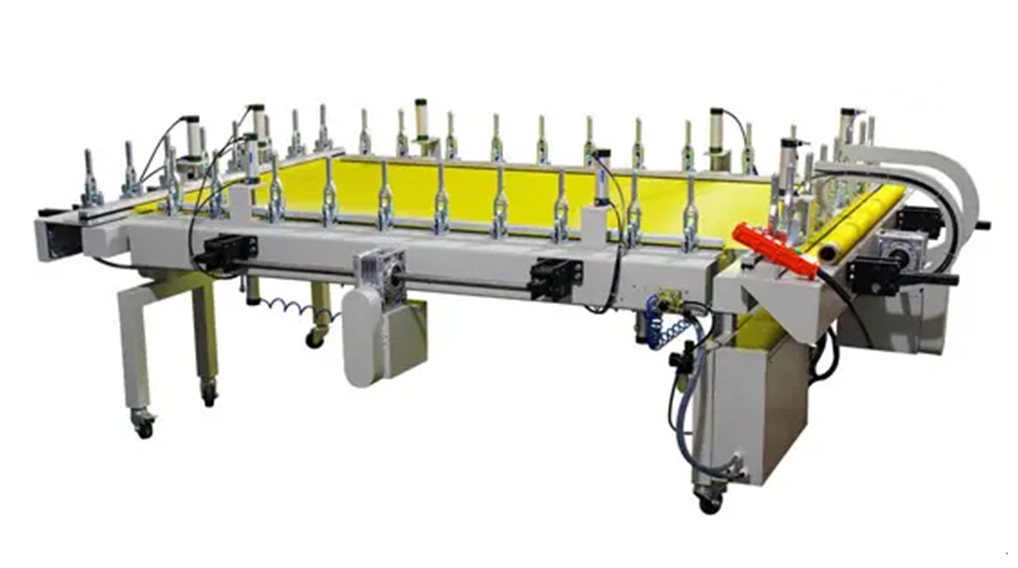
Screen straining machine
Plate making method
1, direct plate making method
Method: In the good stencil coated with a certain thickness of photosensitive paste, coated and dried, and then used to make the plate negative and its lamination into the exposure of the sun machine, by the development, drying after becoming a screen printing screen.
Process: photographic paste preparation - degreasing - drying - coating - drying --exposure --development --drying --repair plate -final exposure - sealing screen.
2, indirect plate making method
Method: Indirect plate making method is first indirect film exposure, with 1.2% H2O2 hardening with warm water development, drying made of peelable graphic negative, plate making will be graphic negative film surface and taut screen, by squeezing the film and wet screen paste solid, uncover the base of the film, with the wind blowing dry on the screen made of screen printing.
Process flow.
(1) taut screen - degreasing - drying.
(2) indirect film - exposure - hardening - development.
(3) lamination - blowing dry - plate repair - sealing network.
3, straight between the mixed plate making method
The photopolymer layer is first glued to the screen frame with water, alcohol or photopolymer, and after drying by hot air, the photographic film base is removed, and then the plate is tanned, and the screen plate is made after the development process.
03 Screen printing ink classification
According to the classification of the substrate: metal ink, plastic ink, glass ink, paper ink, wood ink, fabric ink, special purpose ink, etc.
According to the drying method: ultraviolet drying ink (UV ink), fast-setting ink, self-drying ink, low-temperature heatset ink, high-temperature ink, thermal sublimation ink, etc.
According to the state of the ink classification there are: colloidal ink, such as water-based ink, oil-based ink, resin ink, starch colour paste, etc. Solid ink: such as electrostatic screen printing with toner.
According to the effect classification there are: flash powder (gold onion powder) ink, metal ink, pearl ink, solid ink, luminous ink, 3d magnetic ink, water bead ink, uv three-dimensional varnish, etc.
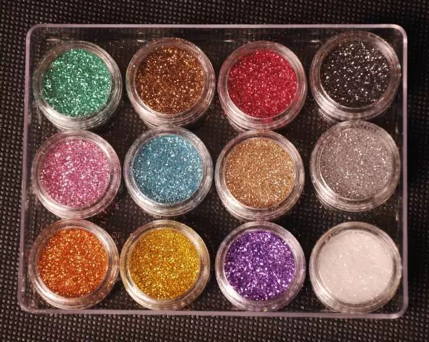
Flash glitter ink
Such as glitter ink, is the glitter blending into the ink, called glitter ink, glitter is by the fine brightness of different thicknesses of PET, PVC, OPP metal aluminum film material plating, coating by precision cutting and become. There are many different colours of glitter, gold, silver, red, blue, green, seven colours, illusion, laser, etc., which can be developed in various colours according to different needs.
04 Advantageous features of silkscreen printing
1、Strong adaptability of printing
Plain printing, letterpress printing and gravure printing are the three main printing methods that can only be printed on flat substrates. Screen printing can not only be printed on flat surfaces, but also on curved, spherical and concave/convex substrates. On the other hand, screen printing is not only possible on hard objects, but also on soft objects, regardless of the texture of the substrate. In addition to direct printing, screen printing can also be used as an indirect method of printing, i.e. screen printing on gelatine or silicone plates and then transferring to the substrate as required. Therefore it can be said that screen printing is very adaptable and has a wide range of applications.
2, strong three-dimensional sense, rich texture
Rich texture offset printing and letterpress ink layer thickness is generally 5μm, gravure printing for about 12μm, flexo (aniline) printing ink layer thickness of 10μm, and screen printing ink layer thickness is far more than the above ink layer thickness, generally up to 30μm or so. Specially printed circuit boards with thick screen printing, ink layer thickness can be up to 1000μm. with foaming ink printed Braille braille, foaming ink layer thickness up to 1300μm. screen printing ink layer thick, rich texture of the print, three-dimensional sense of strong, which is not compared to other printing methods. Screen printing can not only be single-colour printing, but also overlay and add screen colour printing.
3, strong light resistance, bright colours
As screen printing has the characteristics of leakage printing, it can use a variety of inks and coatings, not only paste, adhesive and a variety of pigments, but also coarse particles of pigment can be used. In addition to this, screen printing inks are easy to mix, for example, light resistant pigments can be put directly into the ink, which is another major feature of screen printing. Screen printing products have the great advantage of being light resistant. Practice shows that, according to the use of black ink on coated paper after an embossing of the maximum density value range for comparison, offset printing for 1.4, letterpress for 1.6, gravure for 1.8, while the maximum density value range of screen printing up to 2.0, so the screen printing products than other types of printing products of light resistance, more suitable for outdoor advertising, signage.
4、Large printing area
General offset printing, letterpress printing methods such as printing the maximum size of the area for the full sheet size, more than the full sheet size, it is restricted by mechanical equipment. Screen printing can be printed on a large area, today's screen printing products can be up to 3m x 4m, or even larger.
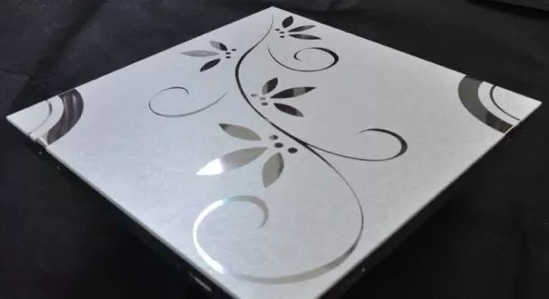
Silk-screened bright silver effect
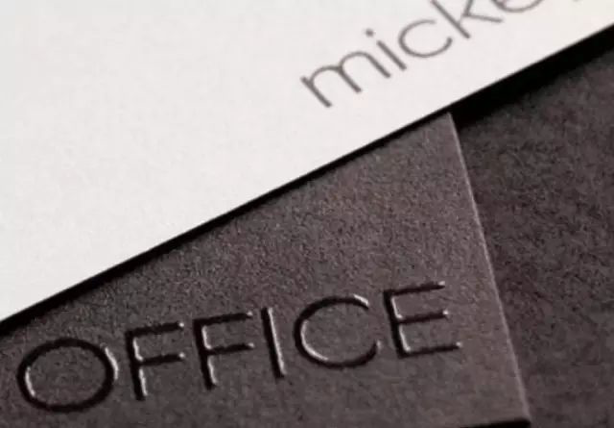
Screen embossed effect
05 The disadvantages of silkscreen printing
Screen printing is only possible with one colour at a time. For multi-colour printing you have to go through the complicated and tedious process of colour registration! If you need to print four or five colours at a time, it is inevitable that the colour register will be inaccurate, which will increase the scrap rate of the product and the cost will also increase accordingly.
06 Maintenance of screen printing
With the development of technology, a variety of screen printing, pad printing machine quickly appeared. Various brands of companies specialising in the design and development of pad printing machines, screen printing, and other product areas have also emerged. Experts recommend that individual users must pay attention to the maintenance of screen printing machines, screen cloth is not to be ignored as part of the.
The impact of screen cloth on the quality of screen printing, safety is very large. Therefore, it is necessary to carry out good maintenance of the screen cloth. First of all, screen printing cloth must be cleaned and degreased when in use, if the cloth is not cleaned in time, the next use will easily lead to poor screen printing, but also easy to form a messy code. If the corresponding degreasing work is not carried out, it will easily lead to delamination of the screen. Secondly, marking the screen frame with the age and weave number of the screen is also an important maintenance strategy. This can provide additional convenience to the use process. Finally, screen printing should try to avoid contact with sharp objects during use to prevent accidental damage to the screen cloth.

VILITY is a Professional manufacturer, providing ONE-STOP SOLUTION for intelligent printing industry.

