Professional designer and manufacture of CCD machines for ONE STOP SOLUTION.
Language
Professional designer and manufacture of CCD machines for ONE STOP SOLUTION.
What types of binders are commonly used for stretch nets?
The function of the adhesive for stretching the mesh is to firmly bond the mesh and the mesh frame together. There are many types of adhesives used for sticking the mesh. When selecting, different adhesives should be selected according to the material of the mesh frame and the type of wire mesh. The main adhesives used in the stretch mesh include polyvinyl acetal glue (Peifu glue), perchloroethylene glue, rubber-type adhesive, phenolic-chloroprene glue, nitrile rubber, etc.
How does vignetting come about?
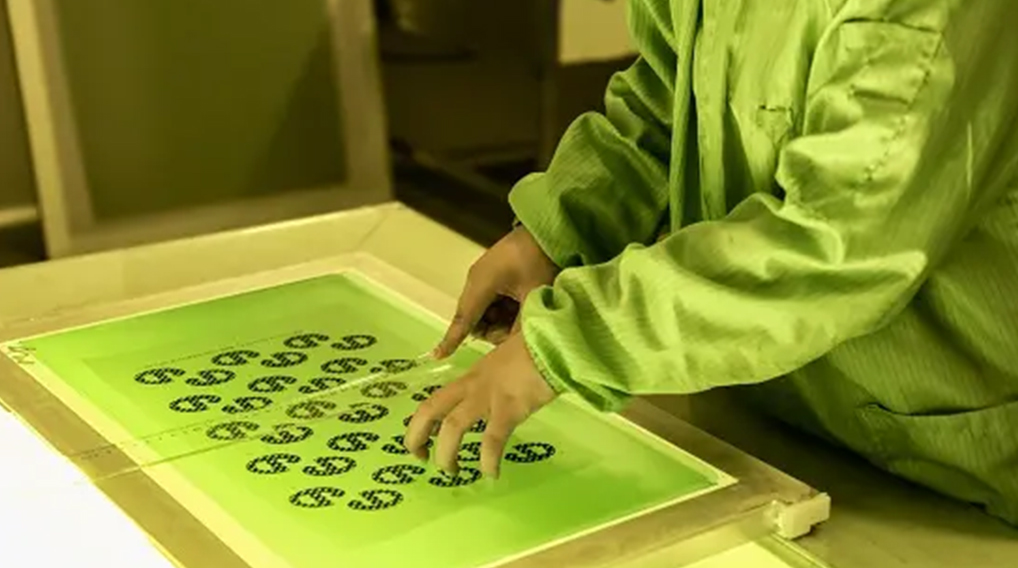
Vignette is a common phenomenon in screen printing plate making. The main manifestation is that the graphics and texts on the screen printing plate after printing are not all through-holes on the edge of the screen after development, and some of the meshes are still tied by the photosensitive glue, and the edges of the graphics and texts are uneven. Some of the meshes are in the shape of translucent and non-transparent, and the edges of the pictures and texts are like the wind ring around the moon. The pictures and texts printed with this screen printing plate have irregular edges, some thin lines of the pictures and texts are lost, and the pictures and texts are printed. Size also changes. This reduces the print quality. There are two main reasons for vignetting. When direct plate making is used, white silk screen is used. The white silk screen reflects and scatters the light source of the printing plate during printing, which makes the photosensitive material at the edge of the picture and text sensitive to light. The degree of chemistry is uneven, resulting in vignetting; when printing, the plate-making negative and the screen printing plate are not tightly attached, so that the photosensitive material at the edge of the image and text is not uniformly exposed to light, resulting in the appearance of vignetting.
How to prevent vignetting?
In order to prevent the occurrence of vignetting and improve the quality of plate making and printing, the following measures can be used to control.
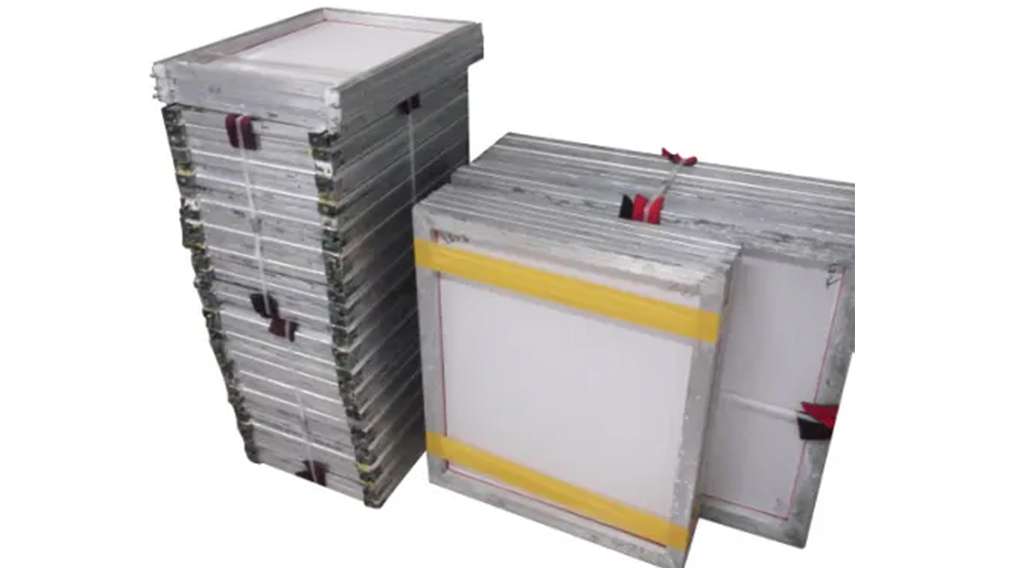
①Use colored wire mesh to avoid white wire mesh as much as possible during plate making, but use red, yellow, orange and other colored wire mesh for plate making, and use the color of the wire mesh itself to absorb the light of the printing light source, so as to reduce the effect of the wire mesh on the light when printing the plate. Reflection, scattering phenomenon, to achieve the purpose of preventing vignetting.
②Using the method of pre-coating vignetting prevention solution Pre-coating vignetting prevention solution is a kind of solution prepared by mixing ethanol, cresol and ethanol-soluble red dye according to a certain proportion. Before applying this solution, the screen must be cleaned and dried, and then the vignetting prevention solution must be applied and then dried. After drying, the photosensitive adhesive can be applied and printed, which can prevent the occurrence of vignetting. .
③ When printing the plate, pay attention to sticking the plate-making negative and the screen printing plate firmly and tightly to ensure that the photosensitive material is evenly exposed to light and achieve the plate-making effect of preventing vignetting.
Why pre-treat the wire mesh? What are the main processing methods?
During the manufacturing, transportation, storage, and use of the screen, the surface of the screen will adhere to dust, oil, etc., and the dust and oil will adhere to the surface of the screen, which will seriously affect the combination of the screen and the photosensitive adhesive, resulting in the quality of the screen printing plate. Descending, in order to ensure that the wire mesh and the photosensitive adhesive are closely combined, the wire mesh should be pre-treated before the photosensitive adhesive is applied. Screen pretreatment is an important process for making screen printing plates. Two methods are usually used for the pretreatment of wire mesh. Namely physical treatment method and chemical treatment method.
Physical treatment method: The purpose of this method is to polarize the surface of the screen to facilitate the combination of the screen and the photosensitive adhesive. In this method, pumice and silicone carbide are ground into powder, and the surface of the wire mesh is mechanically treated. Or use silicone carbide powder to treat the wire mesh, the powder particle size is less than 20 microns. After treatment, the screen is cleaned with water and dried, and then it can be used for plate making.
Chemical treatment method: Usually, phenol, cresol and phosphoric acid corrosives are used before plate making to treat the surface of synthetic fiber mesh to roughen the surface of the mesh and achieve the purpose of closely bonding with the photosensitive adhesive. However, phenol, cresol are used. and phosphoric acid corrosives are easy to damage the screen, so pay attention to chemical treatment.
In addition to polarizing the surface of the wire mesh, caustic alkali, cleaning agent, etc. can also be used to degrease and clean the wire mesh. The deesterification cleaning method can effectively remove the oil stains, dust and other substances on the surface of the wire mesh, so that the wire mesh and the photosensitive adhesive can be removed effectively. Bonds firmly. After cleaning with the above solvent, rinse with water, and after drying, it can be used for plate making.
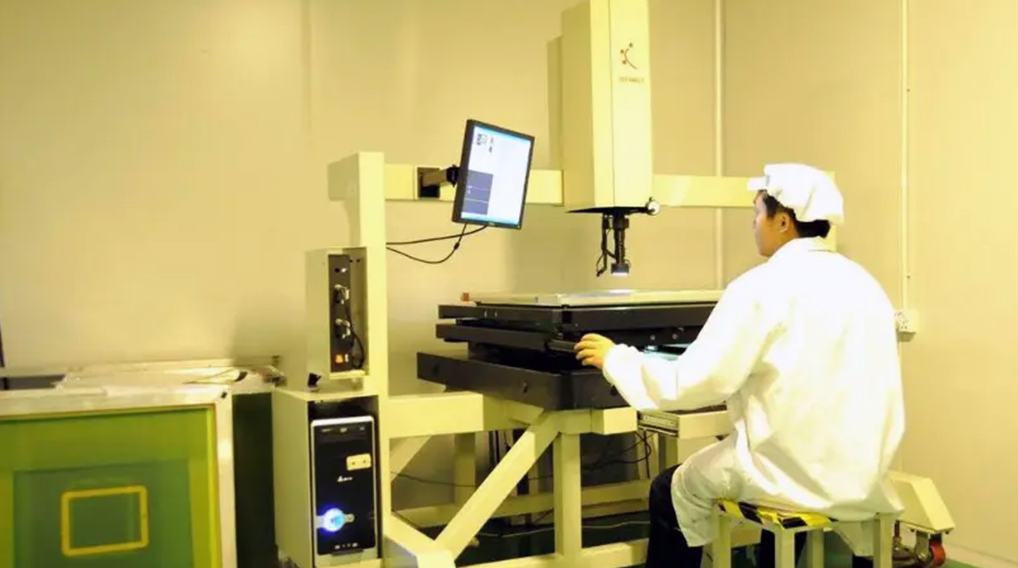

VILITY is a Professional manufacturer, providing ONE-STOP SOLUTION for intelligent printing industry.

