Professional designer and manufacture of CCD machines for ONE STOP SOLUTION.
Language
Professional designer and manufacture of CCD machines for ONE STOP SOLUTION.
What is screen printing?
Screen printing belongs to stencil printing, and it is called the four major printing methods together with lithographic printing, letterpress printing, and gravure printing. Stencil printing includes transcription, perforated pattern, spray pattern and screen printing. The principle of stencil printing is: during printing, the printing plate (paper film plate or other plate base with holes through which the ink can pass) transfers the ink through the holes of the stencil to the substrate (paper, ceramics, etc.) through a certain pressure. ) to form images or text. Transcript printing, the simplest form of stencil printing, began in the late 19th century. This kind of printing is made on special stenciled paper with a typewriter or a stylus to make a stenciled graphic version, and the stenciled version is printed with an ink roller, and the ideal printing effect can be obtained on the substrate. In stencil printing, the most widely used is screen printing.
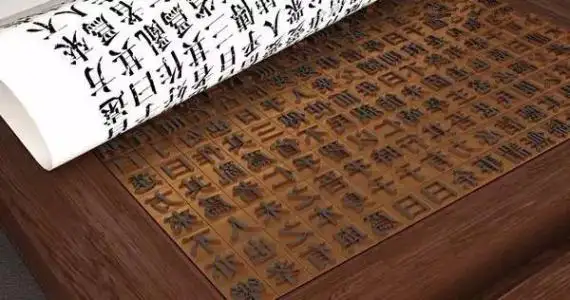
Screen printing is to stretch silk fabric, synthetic fiber fabric or metal mesh on the screen frame, and use the method of hand-carved paint film or photochemical plate making to make screen printing plate. Modern screen printing technology uses photosensitive materials to make screen printing plates by means of photolithography (so that the screen holes in the graphic part of the screen printing plate are through holes, and the screen holes in the non-graphic part are blocked. live).
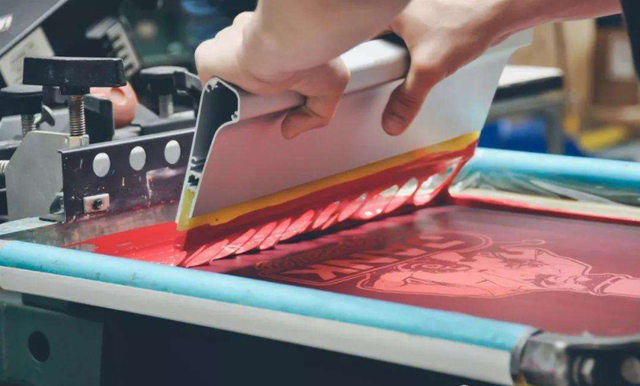
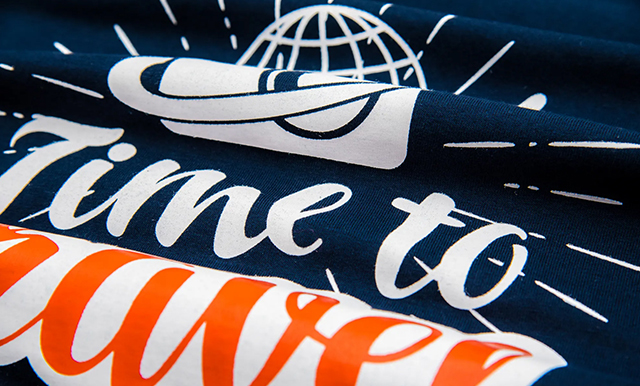
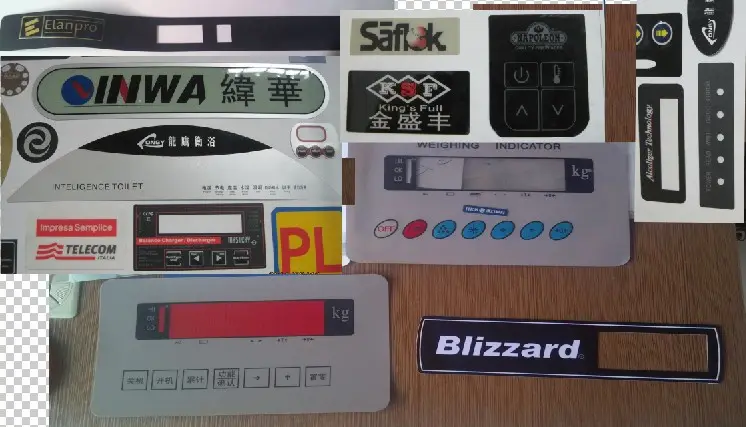
During printing, through the extrusion of the squeegee, the ink is transferred to the substrate through the mesh of the graphic part to form the same graphic as the original. Screen printing equipment is simple, easy to operate, easy to print and plate making, low cost, and strong adaptability. Screen printing is widely used in common prints: color oil paintings, posters, business cards, binding covers, commodity signs, and printed and dyed textiles.
When was screen printing invented?
Screen printing originated in China and has a history of more than 2,000 years. As early as the Qin and Han Dynasties in ancient my country, the method of clip printing appeared. By the Eastern Han Dynasty, the batik method of Jiajie has become popular, and the level of printed products has also improved. During the Daye period of the Sui Dynasty, people began to use the frame stretched with silk screen for printing, so that the clip printing process developed into screen printing.
According to historical records, the exquisite costumes worn in the court of the Tang Dynasty were printed in this way. In the Song Dynasty, screen printing developed again, and the original oil-based paint was improved, and starch-based rubber powder was added to the dye to make it a paste for screen printing, making the screen printing products more colorful.
Screen printing is a great invention in China. The American "Screen Printing" magazine had this comment on Chinese screen printing technology: "There is evidence that the Chinese used horsehair and stencils two thousand years ago. The clothing in the early Ming Dynasty proved their competitive spirit and processing technology? "The invention of screen printing has promoted the development of human material civilization in the world. Today, two thousand years later, screen printing technology has been continuously developed and perfected, and it has become an indispensable part of human life.
What is the principle of screen printing?
Screen printing consists of five elements, namely screen printing plate, squeegee, ink, printing table and substrate. The basic principle of screen printing is to use the basic principle that the mesh of the graphic part of the screen printing plate is transparent to the ink, and the mesh of the non-graphic part is impermeable to the ink. When printing, pour ink on one end of the screen printing plate, apply a certain pressure to the ink part of the screen printing plate with a scraper, and move to the other end of the screen printing plate at the same time. The ink is squeezed onto the substrate by the scraper from the mesh of the graphic part during the movement.
Due to the viscosity of the ink, the imprint is fixed within a certain range. During the printing process, the squeegee is always in line contact with the screen printing plate and the substrate, and the contact line moves with the movement of the squeegee. A certain gap is maintained between them, so that the screen printing plate during printing generates a reaction force to the squeegee through its own tension. This reaction force is called rebound force. Due to the effect of resilience, the screen printing plate and the substrate are only in moving line contact, while other parts of the screen printing plate and the substrate are separated. The ink and the screen are broken, which ensures the printing dimensional accuracy and avoids smudging the substrate. When the squeegee scrapes the entire layout and lifts, the screen printing plate is also lifted, and the ink is gently scraped back to the original position. So far it is a printing trip.
What is the main difference between screen printing and other printing methods?
Compared with other printing methods, the main differences between screen printing and other printing methods are as follows:
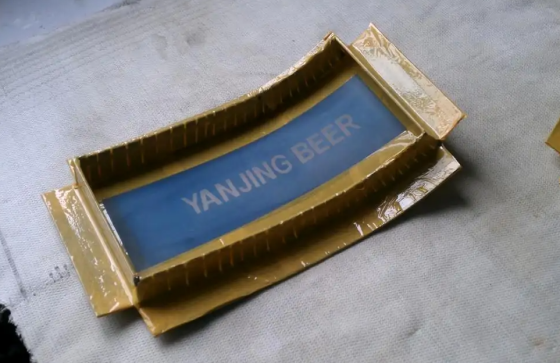
① The three printing methods of flat printing, embossing and gravure printing are generally only suitable for printing on flat substrates. Screen printing can not only print on flat surfaces, but also print on substrates with curved, spherical and concave-convex surfaces. On the other hand, screen printing can not only print on hard objects, but also print on soft objects, which is not limited by the texture of the substrate. In addition, in addition to direct printing, screen printing can also be printed by indirect printing method as needed, that is, screen printing on gelatin or silicone plate first, and then transfer to the substrate. Therefore, it can be said that screen printing has strong adaptability and a wide range of applications.
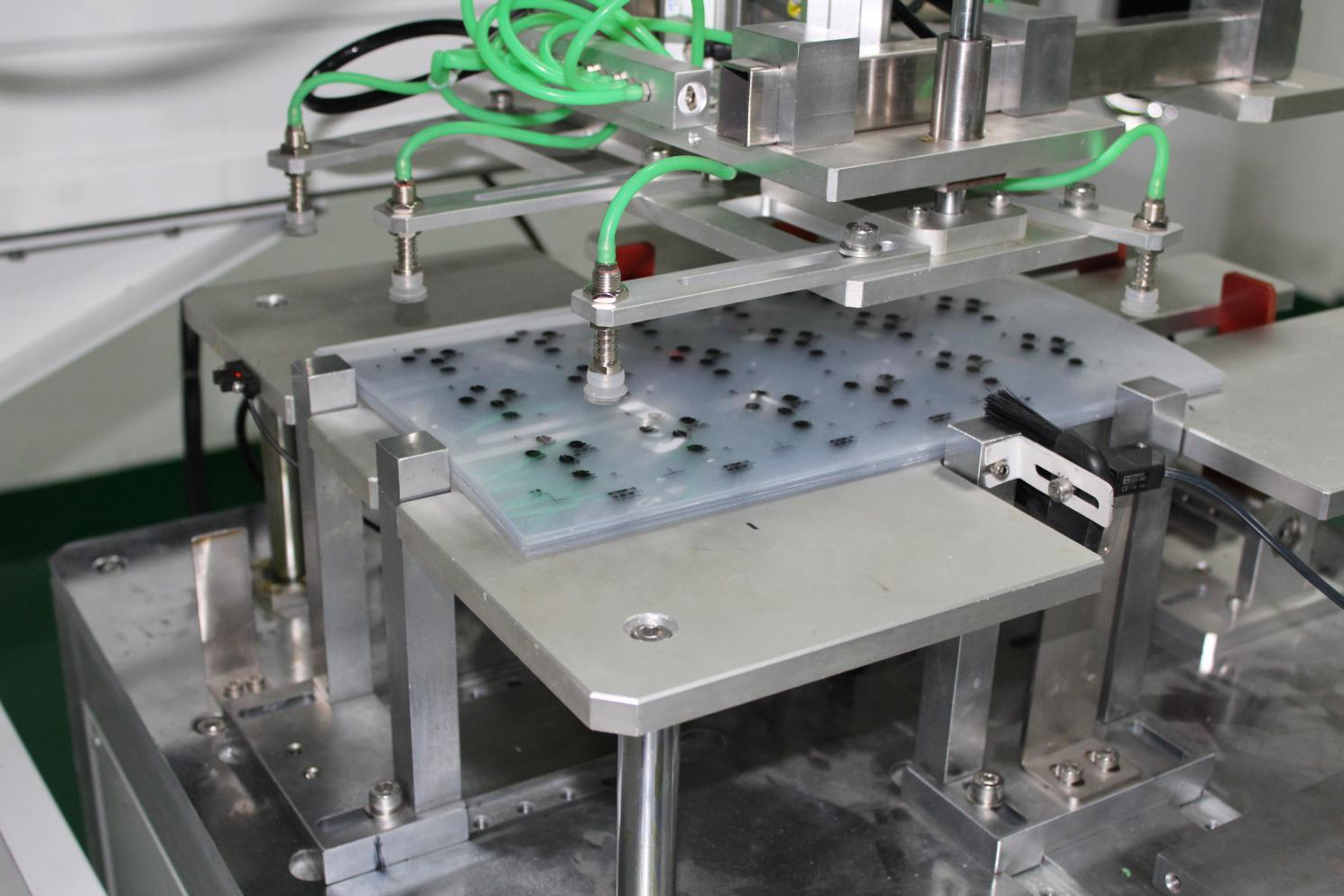
② Thick ink layer, strong three-dimensional effect, rich texture The thickness of the ink layer for offset printing and letterpress printing is generally 5 microns, for gravure printing is about 12 microns, for flexographic (flexographic) printing, the thickness of the ink layer is 10 microns. The thickness of the ink layer far exceeds the thickness of the above-mentioned ink layer, generally up to about 30 microns. Thick screen printing for special printed circuit boards, the thickness of the ink layer can be up to 1000 microns. Braille dots are printed with foaming ink, and the thickness of the ink layer after foaming can reach 300 microns. The screen printing ink layer is thick, the printing quality is rich, and the three-dimensional effect is strong, which is incomparable with other printing methods. Screen printing can not only print in monochrome, but also register and screen color printing.
What is the main difference between screen printing and other printing methods?
Compared with other printing methods, the main differences between screen printing and other printing methods are as follows:
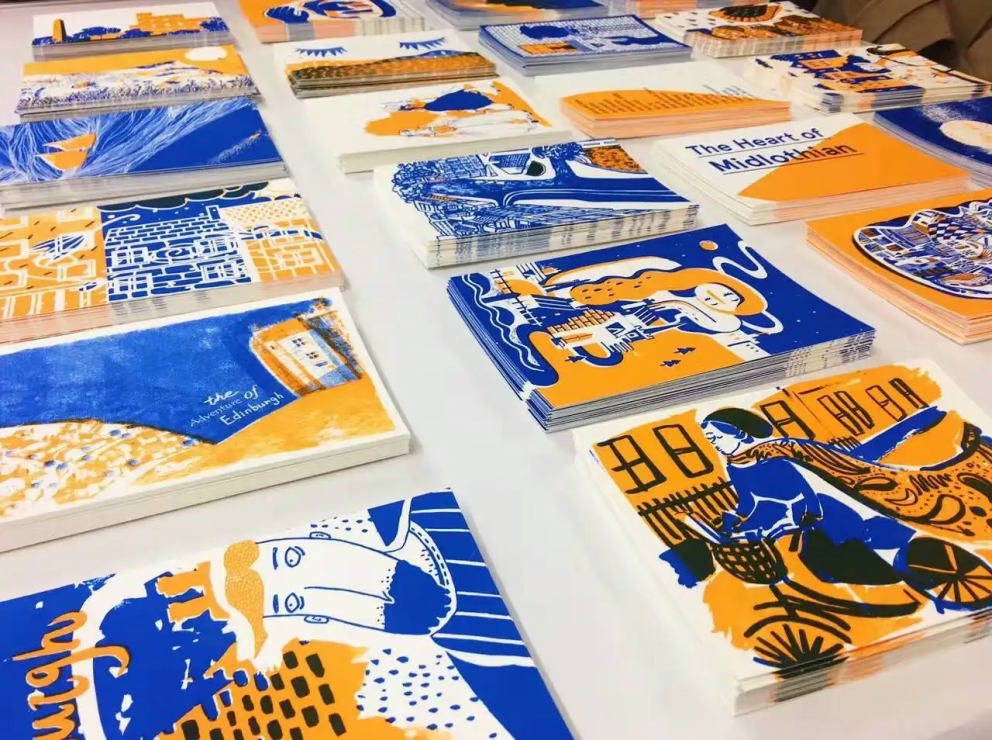
③ Strong light resistance and bright color. Because screen printing has the characteristics of missing printing, it can use various inks and coatings, not only pastes, adhesives and various pigments, but also pigments with coarser particles. In addition, the screen printing ink formulation method is simple, for example, the light-fast pigment can be directly put into the ink for formulation, which is another major feature of screen printing. Screen printing products have the great advantage of strong light resistance. It has been shown by practice that, compared with the maximum density value range measured after one-time imprinting on coated paper with black ink, offset printing is 1.4, relief printing is 1.6, and gravure printing is 1.8, while the maximum density value range of screen printing can be Therefore, the light resistance of screen printing products is stronger than that of other types of printing products, and it is more suitable for outdoor advertising and signage.
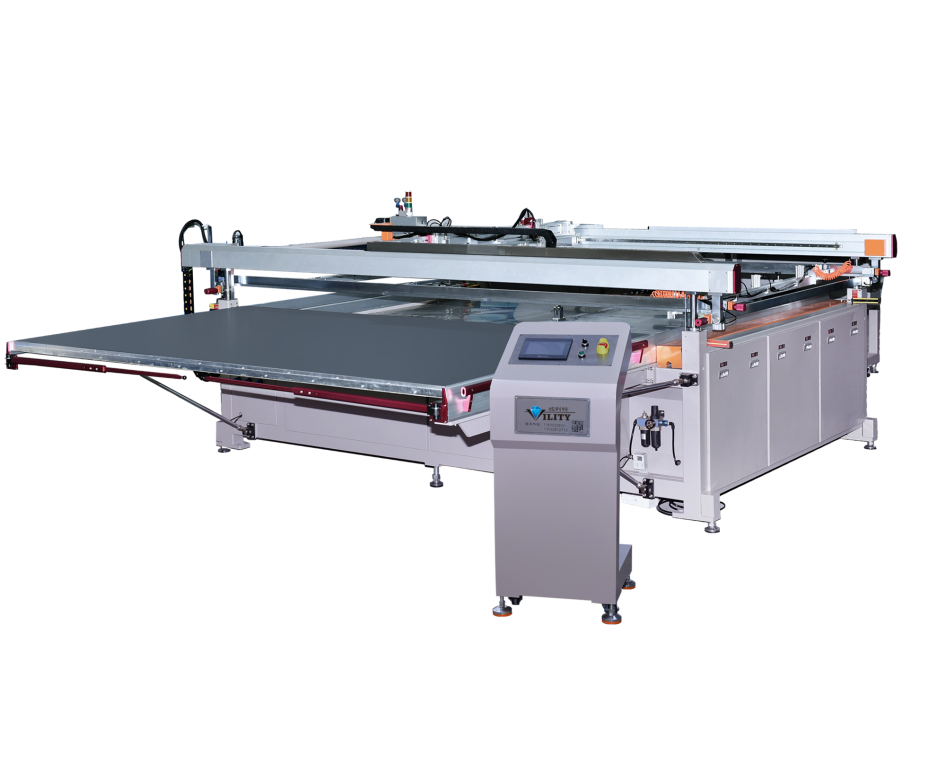
④ Large printing area At present, the size of the area printed by general offset printing, letterpress printing and other printing methods is the maximum size of the full sheet, and if it exceeds the full size, it is limited by mechanical equipment. The screen printing can be used for large-area printing, and the maximum size of today's screen-printed products can reach 3 meters × 4 meters, or even larger.
The above four points are the difference between screen printing and other printing, and also the characteristics and advantages of screen printing. After understanding the characteristics of screen printing, in the selection of printing methods, you can make use of the advantages and avoid weaknesses, highlight the advantages of screen printing, so as to achieve a more ideal printing effect.

VILITY is a Professional manufacturer, providing ONE-STOP SOLUTION for intelligent printing industry.

