Professional designer and manufacture of CCD machines for ONE STOP SOLUTION.
Language
Professional designer and manufacture of CCD machines for ONE STOP SOLUTION.
What kind of manuscript is screen printing suitable for?
Screen printing, like other printing, requires accurate reproduction of the original text and tone. In principle, the manuscripts used in screen printing are not very different from manuscripts used in other printing methods, but in specific plate making and printing practices, the requirements are different, which are mainly determined by the characteristics of screen printing. Especially because the screen printing ink layer is thick and the color is bright, the special effects of screen printing should be fully considered when selecting manuscripts and plate making.
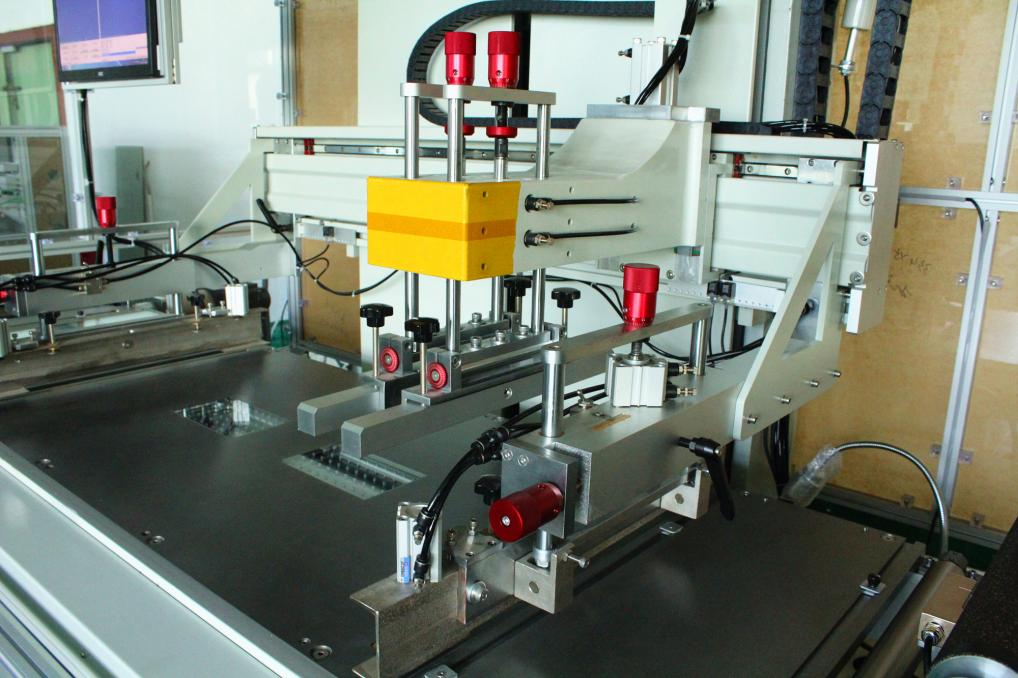
In addition, the requirements for the graphic lines and dot accuracy of the manuscripts used in screen printing are also different from those used in ordinary printing methods. If the lines and dots of the original are very fine, it is very difficult to use screen printing to make plates. Therefore, the screen printing technology is not suitable for reproducing the originals with fine lines and dots. When choosing the printing method, the characteristics of various printing should be fully considered.
Even in screen printing plate making, the same attention should be paid to selecting the appropriate network cable in order to achieve the purpose of fully reproducing the original. Screen printing is more suitable for expressing monochromatic color originals with crisp text and lines, and it is also suitable for expressing color originals with large contrast and clear layers. Through the special effects of screen printing, the reproductions have rich expressive power, and through the rich and thick ink layers and the contrast of light and dark tones, the texture of the original content and the three-dimensional effect are fully expressed.
There are two types of originals for screen printing photoengraving: reflective originals and transmissive originals. Usually, reflective originals are mainly used. Color photography mostly uses transmissive originals.
Screen printing mainly uses positive pictures to make screen plates. Different plate making methods have different requirements for manuscripts.
What are the main features of screen printing?
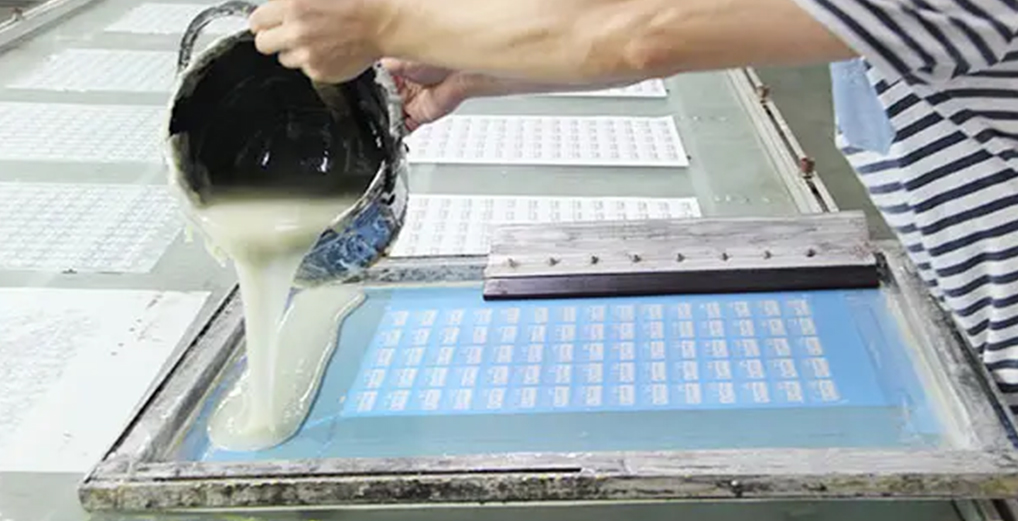
The characteristics of screen printing can be summed up in the following aspects:
①Screen printing can use various types of inks. Namely: oily, water-based, synthetic resin emulsion type, powder and other types of ink.
②The layout is soft. The screen printing layout is soft and has a certain elasticity, not only suitable for printing on soft items such as paper and cloth, but also for printing on hard items, such as glass, ceramics, etc.
③Screen printing has low embossing force. It is also suitable for printing on fragile shopping bodies due to the low pressure used during printing.
④The ink layer is thick and the covering power is strong.
⑤It is not limited by the surface shape of the substrate and the size of the area. As can be seen from the foregoing, screen printing can be printed not only on a flat surface, but also on a curved or spherical surface; it is not only suitable for printing on small objects, but also for printing on larger objects. This printing method has great flexibility and wide applicability.
How many screen printing methods are there?
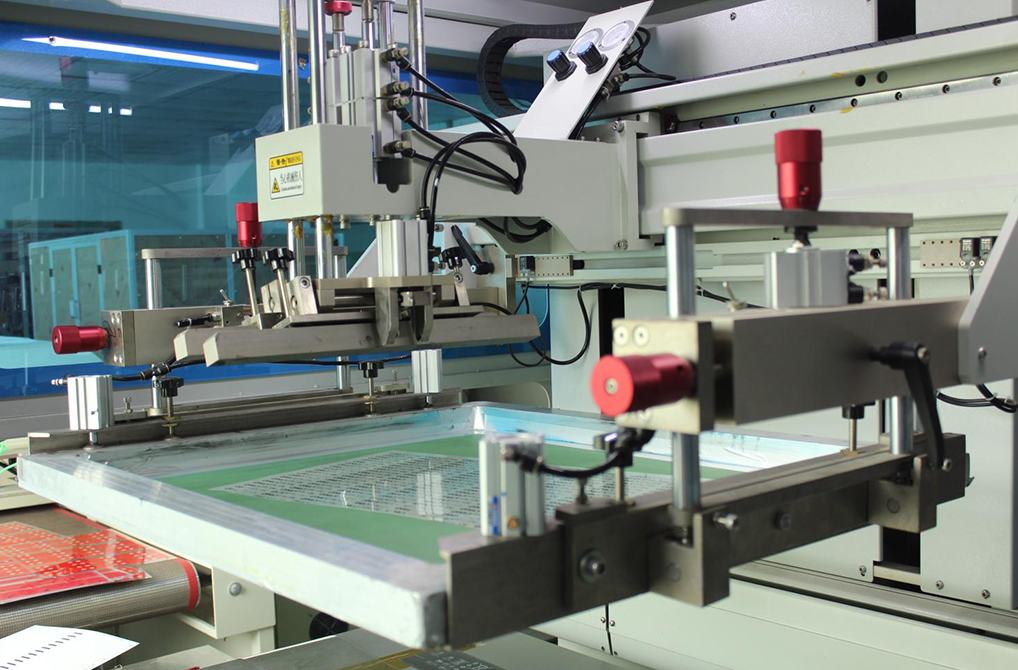
There are usually two types of screen printing, namely manual printing and mechanical printing. Manual printing refers to the manual operation of the up and down movement of the printing plate and the scraping and scraping from the feeding of the paper to the delivery of the paper. Mechanical printing means that the printing process is completed by mechanical actions. Among them, it is divided into semi-automatic and fully-automatic printing. Semi-automatic means that the insertion and removal of substrates are manually operated, and printing is completed by machinery; fully-automatic means that the entire printing process is completed by machinery.
How is screen printing classified?
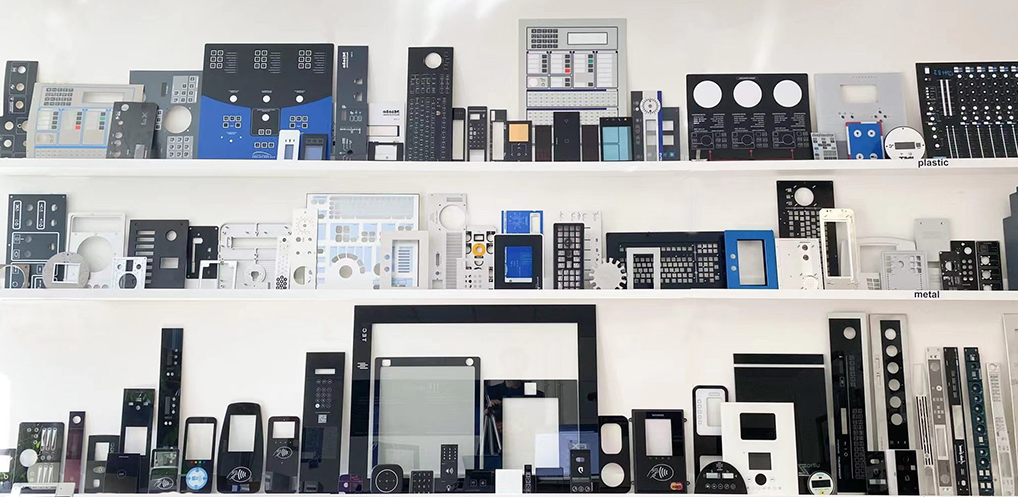
Screen printing is not only suitable for general paper printing, but also has a wide range of adaptability. For example: ceramics, glass, printed circuit boards, etc. Depending on the texture of the substrate, the printing is not the same. Although there is an inseparable internal relationship between the series, each has its own particularity due to the different substrates (that is, different chemical and physical properties). Therefore, people are usually divided into different types of substrates: paper printing, plastic printing, ceramic printing, glass printing, circuit board printing, metal printing, textile printing, etc. In this way, their respective relatively independent printing systems are formed.
What are the main applications of screen printing?
The range of screen printing applications is very broad. In addition to water and air (including other liquids and gases), any kind of object can be used as a substrate. Someone once said this when evaluating screen printing: If you want to find the ideal printing method on earth to achieve the purpose of printing, it is likely to be the screen printing method.
Specifically, screen printing is mainly used in the following aspects:
① Paper printing art printing-advertising, pictorial, calendar, lantern paper, etc. Trademark printing, transfer printing, packaging printing, building materials printing - paste wallpaper, etc.
② Plastic printing plastic film - vinyl toys, school bags, plastic bags, etc. Plastic scales - fake metal composite materials and various scales. Production parts - instrument parts.
③ Wooden products printing crafts - lacquerware, wooden crafts, toys. Processing of semi-finished products - sporting goods, wooden boards, ceilings, road signs, signs, fake metal wrench, billboards, etc.
④ Metal products Printing metal cylinders, metal utensils, and metal products.
⑤ Glass, ceramic products printing glass - mirrors, glass plates, cups, bottles, etc. Ceramics - utensils, handicrafts.
⑥ Signboard text description boards, dials, and formed items.
⑦ Circuit board printed circuit board, civil or industrial substrate, thick film integrated circuit board.
⑧ Printing and dyeing printing and dyeing -- flags, cloth, towels, handkerchiefs, shirts, vests, knitwear, etc. 'Other printing - pockets, shoes, bibs and various bags, backpacks, handbags, school bags and so on.
⑨ Leather products printing.

VILITY is a Professional manufacturer, providing ONE-STOP SOLUTION for intelligent printing industry.

