Professional designer and manufacture of CCD machines for ONE STOP SOLUTION.
Language
Professional designer and manufacture of CCD machines for ONE STOP SOLUTION.
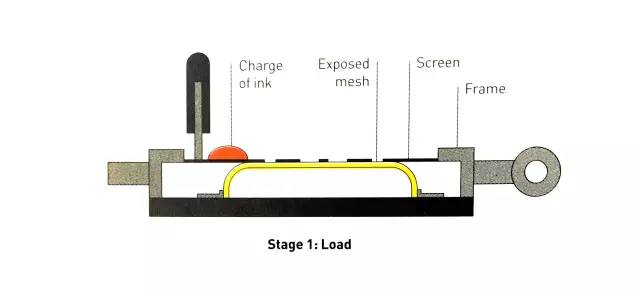
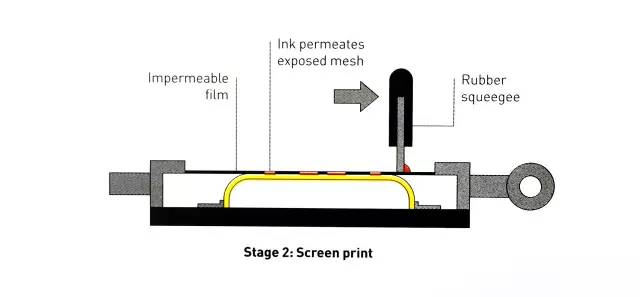
Screen printing belongs to the category of aperture printing, including transcription plates, openwork flower plates, spraying flowers and screen printing. The printing is done by squeezing the squeegee, which allows the ink to be transferred to the substrate through the mesh holes in the graphic section, forming the same graphic as the original.
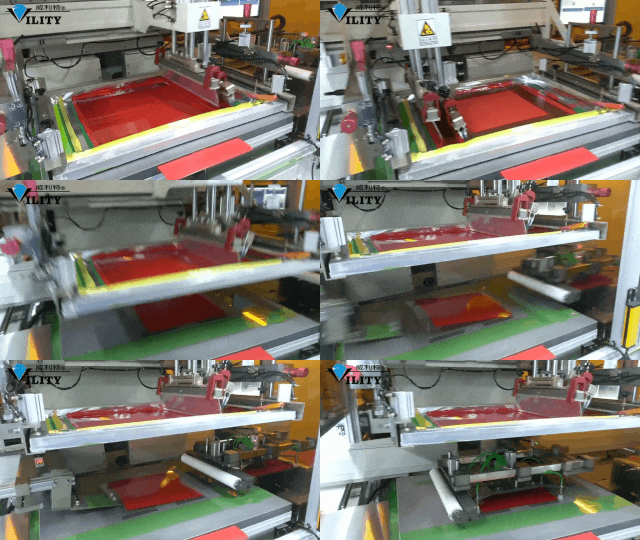
Features of the screen printing process
| Process costs 1 | Tooling costs (low) |
| Process costs 2 | Cost per piece (low, depending on number of colours) |
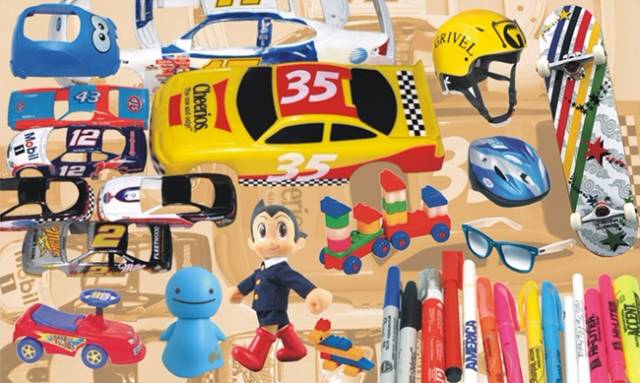
| Typical applications | For clothing, electronics and packaging etc. |
| Production range | From single pieces to large quantities |
| Quality advantages | Very high precision in pattern detail |
| Production efficiency | Manual screen printing (1-5 cycles/min), machine screen printing (1-30 cycles/min) |
Suitable materials for screen printing
Screen printing can be applied to a wide range of materials, including paper, plastic, metal, ceramics and glass, with the exception of water and air (including other liquids and gases).
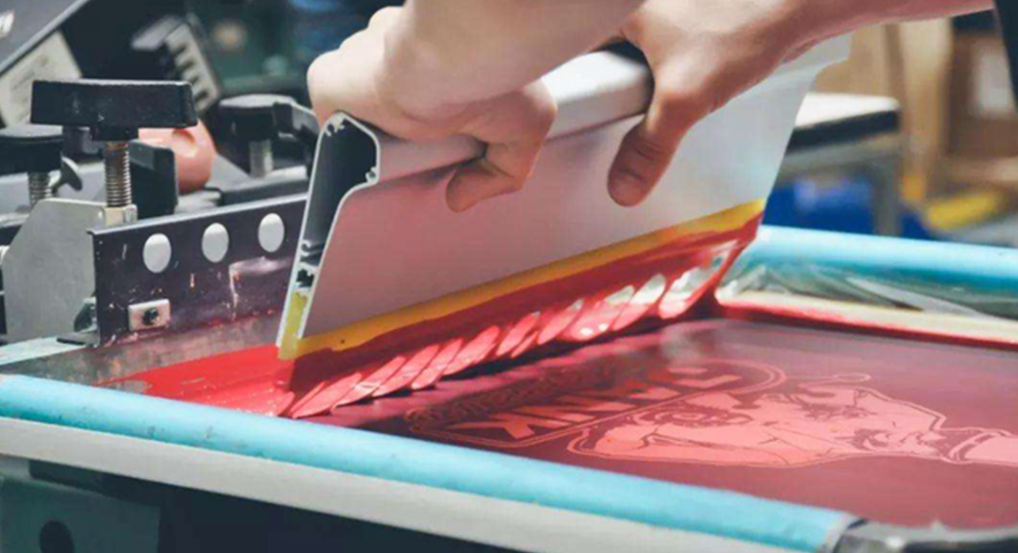
Screen printing design considerations
1. Multiple types of ink can be used. Namely: oil-based, water-based, synthetic resin emulsion-based, powder and other various types of ink.
2, Screen printing can be done not only on flat surfaces but also on curved or spherical surfaces; it is suitable for printing not only on small objects but also on larger ones. This printing method has great flexibility and wide applicability.
3, can do colourful screen printing, but each screen printing plate is limited to one colour, so there are as many colours as there are at least as many screen printing plates.
4, screen printing pressure is small. Due to the low pressure used in printing, it is also suitable for printing on fragile shopping bodies.
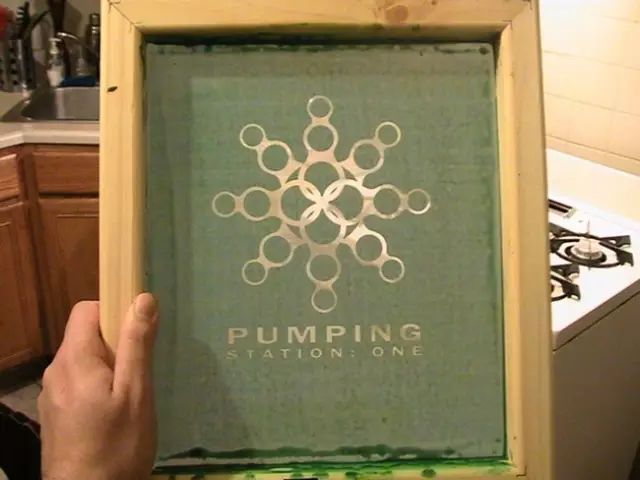
Screen printing process costs
1, low tooling costs, but still depends on the number of colours, as each colour has to be made into a separate plate
2, Time cost: up to 30 per minute for machine screen printing, up to 1-5 per minute for manual screen printing
3, manpower costs: in manual screen printing, manpower costs are high, especially when it comes to colourful printing
Screen printing environmental impact
Light coloured screen printing inks have less environmental impact, however inks containing PVC and formaldehyde have harmful chemicals and need to be recycled and disposed of in time to prevent pollution of water resources.
Screen printing process
Step 1: Positioning & Ink Blending.
Step 2: Grinding and squeegeeing.
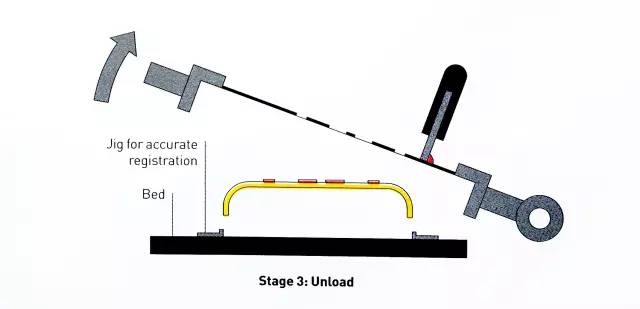
Step 3: Confirmation of test print & batch.

VILITY is a Professional manufacturer, providing ONE-STOP SOLUTION for intelligent printing industry.

