Professional designer and manufacture of CCD machines for ONE STOP SOLUTION.
Language
Professional designer and manufacture of CCD machines for ONE STOP SOLUTION.
Vility's CCD Screen Printing Machine and Die-Cutting Machine play a critical role in the precision manufacturing of automotive sensors, which are essential for ADAS, autonomous driving, and vehicle safety technologies. These machines ensure high-precision printing for sensor circuits and accurate die-cutting for flexible sensor substrates. Key features include high-speed production, UV-curable inks, and multilayer printing capabilities, supporting the growing demand for LiDAR, radar, and ultrasonic sensors. Vility’s equipment enhances the efficiency, accuracy, and durability required for modern automotive sensor applications.
Precision Printing and Die-Cutting for Automotive Sensors: Vility's Solutions for LiDAR, Radar, and ADAS Applications
The automotive industry is advancing rapidly with the integration of smart sensors, autonomous driving technology, and advanced driver assistance systems (ADAS). These systems rely heavily on precise, high-performance sensor modules that require exacting manufacturing processes. Vility’s CCD Screen Printing Machine and Die-Cutting Machine are at the forefront of enabling precision manufacturing for automotive sensor applications, ensuring the highest quality and performance in a sector that demands utmost accuracy.
In this article, we’ll explore how Vility’s advanced machinery contributes to the precision printing and die-cutting of sensor components used in automotive sensors, including those for collision detection, lane-keeping systems, and proximity sensors.
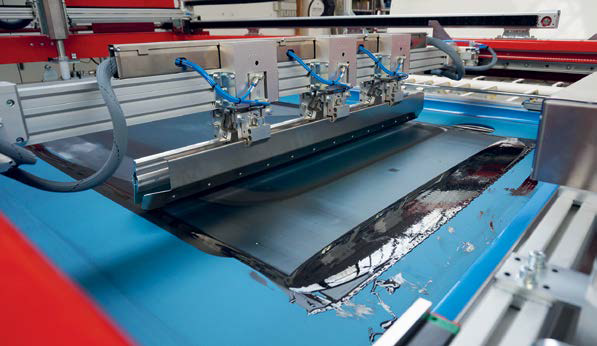
Vility CCD Screen Printing Machine in Automotive Sensor Manufacturing
Automotive sensors, such as those used in LiDAR, radar, and infrared systems, require extremely precise and consistent printing for conductive tracks, sensor circuits, and shielding layers. Precision printing plays a key role in ensuring the accuracy and reliability of these sensors.
Key Features of Vility’s CCD Screen Printing Machine in Sensor Manufacturing:
High-Precision Printing:
Vility’s CCD screen printing machine is equipped with advanced CCD alignment technology that ensures exact positioning of conductive ink layers. This is crucial in printing the sensor circuits and microelectronic components used in car sensors, which must operate flawlessly under varying environmental conditions, such as extreme temperatures and humidity.
Multilayer Printing Capabilities:
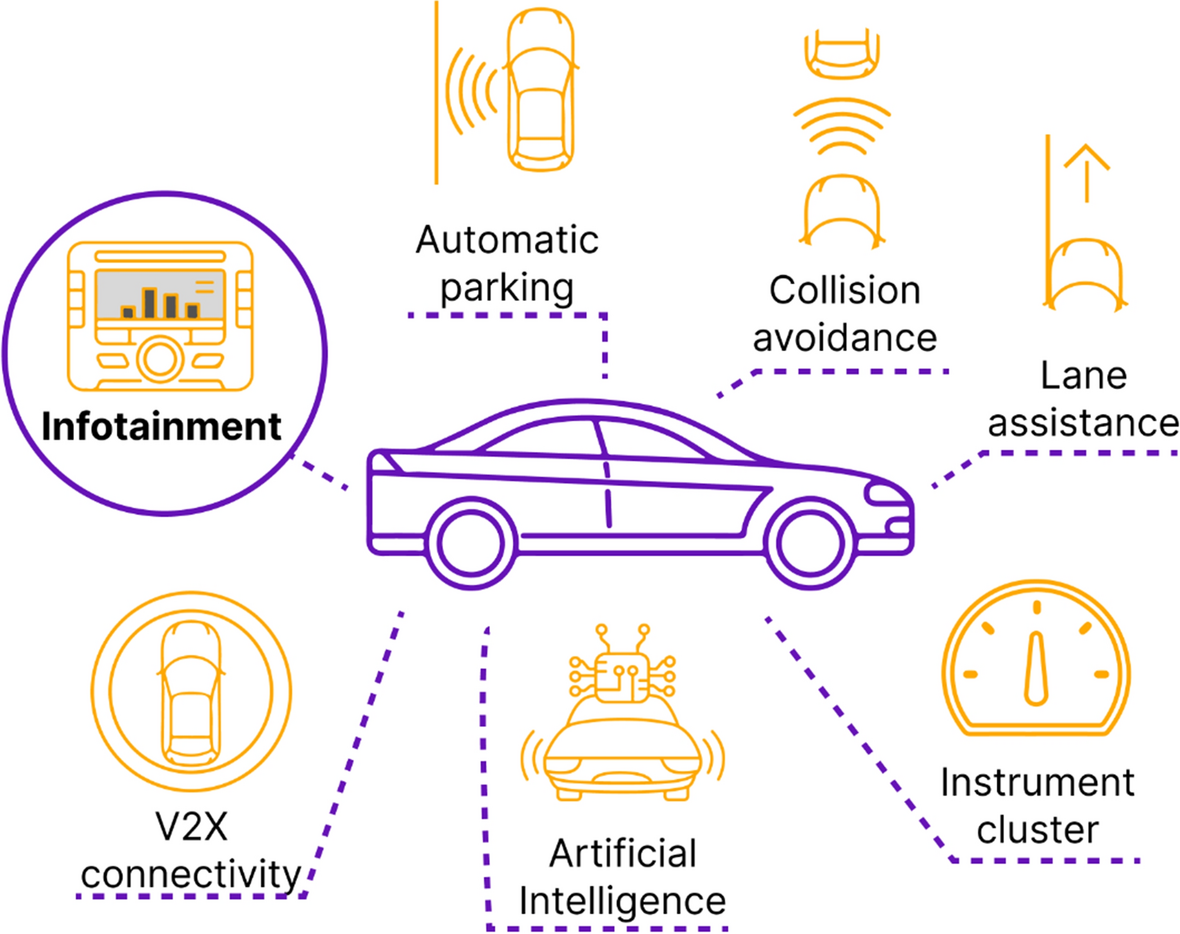
Automotive sensor components often require multi-layered circuits. Vility’s machine supports precise layer registration, enabling the creation of complex circuit boards and sensor housings with minimal deviation. This capability is essential for radar sensors, ultrasonic sensors, and capacitive touch sensors, which need layers of conductive ink to be precisely aligned for optimal performance.
Durable Ink Technology:
The UV-curable inks used in Vility’s machine are highly durable, making them ideal for automotive sensor components that must endure harsh conditions. These inks provide abrasion resistance, temperature stability, and long-lasting performance, ensuring that the sensor circuits remain intact and functional for years in vehicles exposed to the elements.
High-Speed Production:
As the demand for autonomous vehicles and ADAS technology increases, the need for high-volume production of automotive sensors grows as well. Vility’s high-speed CCD screen printing machine delivers fast, high-quality printing, improving production efficiency and reducing costs, without compromising the quality of the sensor components.
Vility Die-Cutting Machine in Automotive Sensor Manufacturing
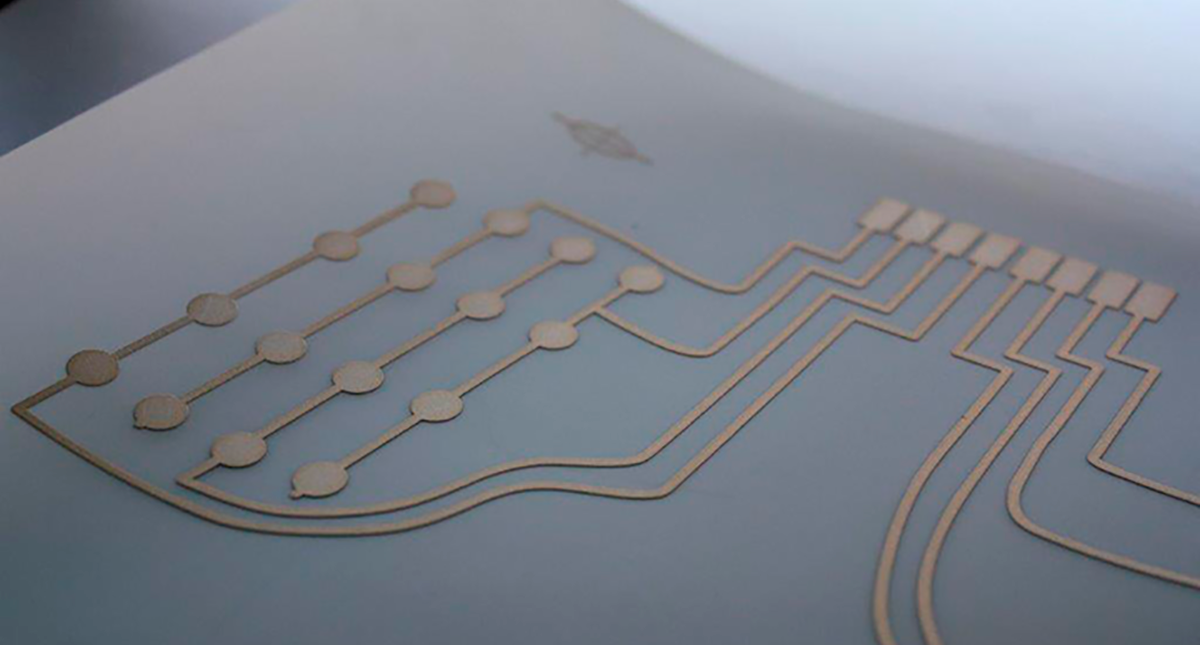
Once the printed sensor components are ready, the next crucial step is die-cutting—the process of cutting the printed layers into precise shapes and sizes that fit the sensor modules. This step is critical for achieving perfect sensor alignment and ensuring that the components integrate seamlessly into the vehicle’s sensor housing.
Key Features of Vility’s Die-Cutting Machine in Sensor Manufacturing:
Precision Cutting:
Vility’s die-cutting machine uses high-precision tools to cut automotive sensor components with micron-level accuracy. The machine ensures that sensor films, conductive traces, and protective layers are cut to exact dimensions, preventing errors that could affect the sensor’s performance.
Flexible Material Handling:
Automotive sensor manufacturing requires cutting flexible sensor substrates and films such as polyimide, PET, and PI films. Vility’s die-cutting machine is designed to handle a wide range of materials commonly used in automotive sensors, ensuring that flexible sensor substrates maintain their integrity and functionality after cutting.
High Throughput and Efficiency:
The die-cutting machine is designed for high-throughput production of automotive sensor components. With its ability to handle continuous operations and reduce waste, manufacturers can produce large quantities of sensor modules quickly, an essential feature for the growing demand driven by autonomous vehicle technology and ADAS systems.
Customization for Complex Shapes:
Automotive sensors come in various shapes and sizes, often requiring custom die-cutting for optimal fit in the sensor housing. Vility’s die-cutting machine provides the flexibility to create intricate shapes and components, ensuring perfect integration within the sensor system.
Industry Trends Insights
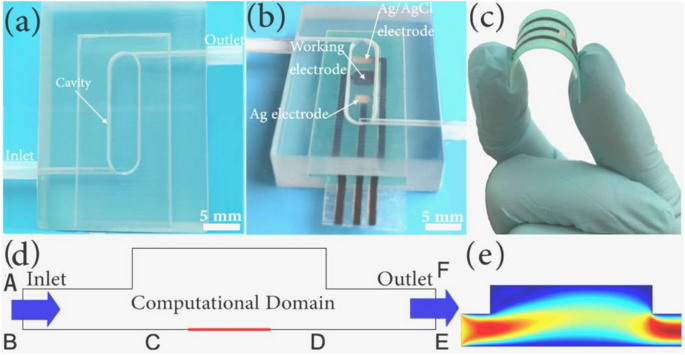
The automotive sensor market is experiencing rapid growth, driven by advancements in autonomous driving, vehicle safety, and driver assistance technologies. According to Google Trends, searches for terms like ADAS sensors, LiDAR, radar sensors, and sensor printing have surged over the past few years, indicating increasing interest and investment in these technologies. These trends align with the growing adoption of smart sensors and connected vehicle technologies.
Additionally, there is an increasing demand for miniaturization and precision in automotive sensors, which directly impacts the need for high-precision manufacturing equipment such as Vility’s CCD screen printing and die-cutting machines. As autonomous driving and electric vehicles continue to grow in popularity, these sensors must meet ever-higher standards for accuracy, reliability, and durability.
Applications of Vility’s Machines in Automotive Sensors
LiDAR Sensors:
LiDAR technology, which is crucial for autonomous vehicles, requires extremely accurate printed circuits and precise die-cutting of sensor substrates. Vility’s machines support the production of these high-precision components, ensuring that the LiDAR systems can scan their environment with sub-millimeter accuracy.
Radar Sensors:
Radar sensors are used for collision detection and adaptive cruise control. Vility’s printing machines ensure the accurate application of conductive layers, while the die-cutting machine guarantees that the sensors fit precisely within the radar module housing.
Ultrasonic Sensors:
These sensors, used for parking assistance and proximity detection, require high-precision manufacturing to ensure reliable performance. Vility’s CCD screen printing and die-cutting systems are ideal for printing and shaping these components.
Capacitive Touch Sensors:
In modern vehicles, touch-sensitive surfaces are integrated into many controls. Vility’s machinery provides the precision required to produce capacitive touch sensors that function flawlessly in the automotive environment.
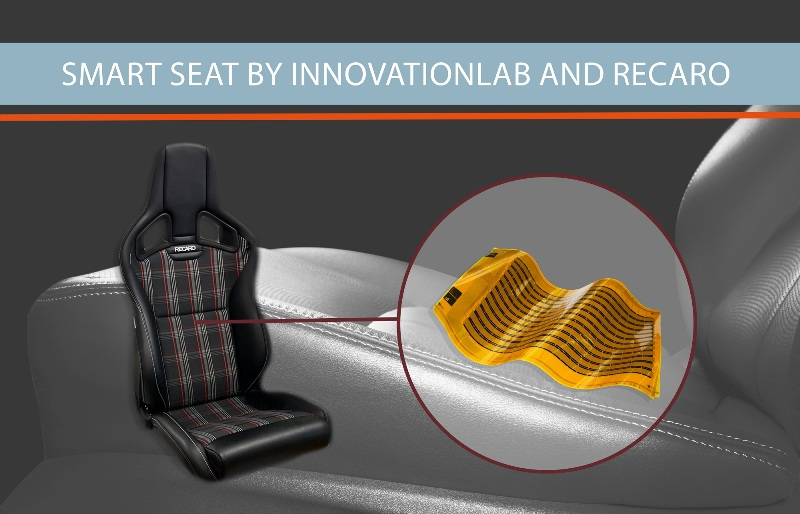
Vility’s CCD Screen Printing Machine and Die-Cutting Machine offer high-precision solutions for the automotive sensor manufacturing industry. With the growing demand for advanced driver assistance systems (ADAS) and autonomous vehicle technologies, these machines ensure the production of highly accurate, durable, and efficient sensor components. By leveraging the latest in printing and cutting technology, Vility is positioned to support the automotive sensor industry’s ongoing innovation and growth.
CONSULT OUR CUSTOMERS FOR SURPRISE DISCOUNTS
Please provide us with the information below to complete your request. Just leave your email or phone number in the contact form so we can send you a free quote for our wide range of designs!

VILITY is a Professional manufacturer, providing ONE-STOP SOLUTION for intelligent printing industry.

