Professional designer and manufacture of CCD machines for ONE STOP SOLUTION.
Language
Professional designer and manufacture of CCD machines for ONE STOP SOLUTION.
What Ink Is Used for Silk Screen Printing? A Guide to Vility's CCD Screen Printing Machine and Its Industrial Applications
The choice of ink is crucial in the silk screen printing process, as it directly impacts the quality, durability, and functionality of the final product. Vility’s CCD screen printing machine is renowned for its precision and versatility across various industries, and the selection of appropriate ink types plays a key role in optimizing production. This article will first introduce the common ink types used in Vility’s CCD screen printing machine, followed by a discussion on how these inks are applied in different industries.
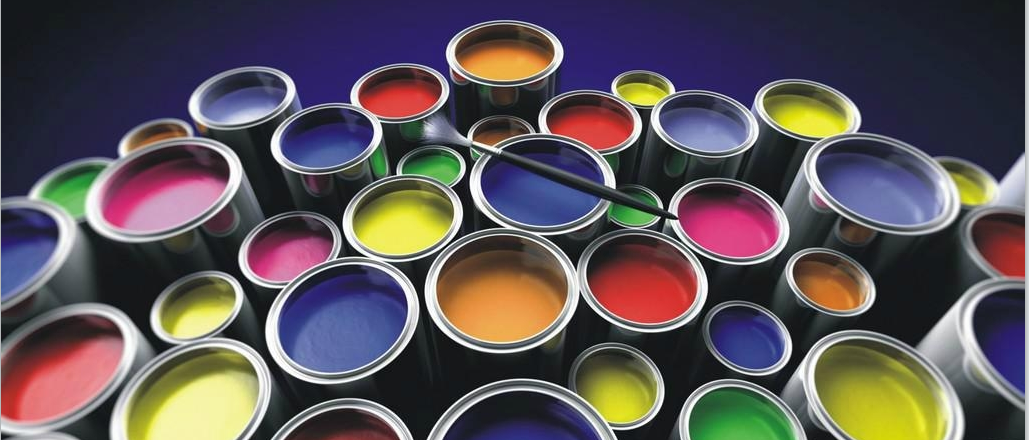
Common Ink Types
1. Conductive Ink:
- Characteristics: Conductive ink is primarily used in applications that require electrical conductivity, such as flexible printed circuits (FPCs). This ink is typically made from silver, carbon, or other conductive materials, allowing it to form precise conductive pathways on circuit boards.
2. Abrasion-Resistant Ink:
- Characteristics: Abrasion-resistant ink offers high durability and UV resistance, making it ideal for high-wear and outdoor environments, such as automotive panels and decorative parts.
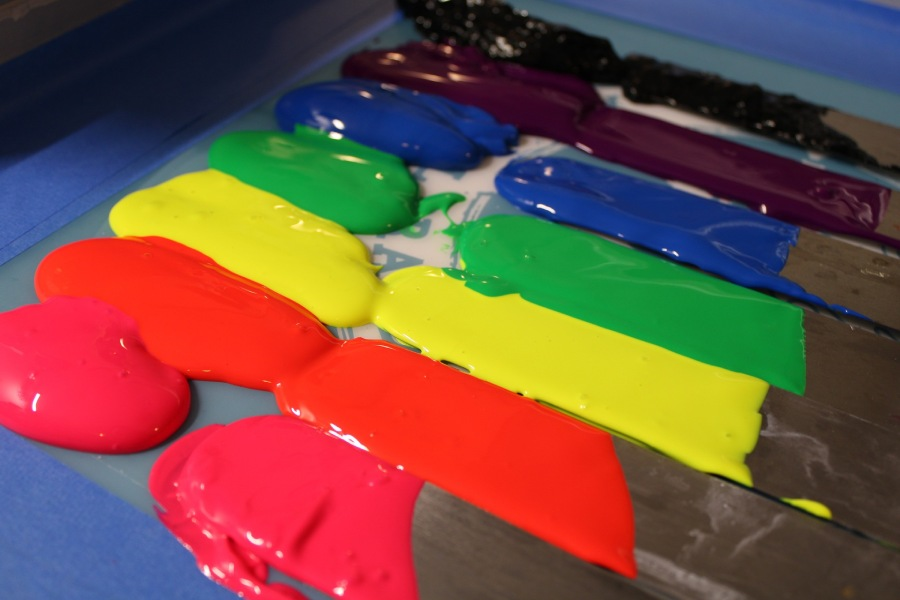
3. UV-Cured Ink:
- Characteristics: UV-cured ink rapidly hardens under ultraviolet light, creating a robust and durable pattern. This ink is widely used in consumer electronics for printing on screens and panels.
4. Biocompatible Ink:
- Characteristics: Biocompatible ink meets strict safety standards, making it suitable for printing on medical devices like sensors and control panels, ensuring both safety and functionality.
5. Security Ink:
- Characteristics: Security ink is used for high-end labels and anti-counterfeiting printing. It features special effects such as invisibility and thermochromism, enhancing product security.
6. Solvent-Based Ink:
- Characteristics: Solvent-based ink dries quickly and is resistant to water and chemicals, making it suitable for non-porous materials like plastics, glass, and metals. Its durability makes it a common choice in industrial applications.
7. Plastisol Ink:
- Characteristics: Plastisol ink is primarily used in textile printing, such as on t-shirts. It is thick, opaque, and requires heat to cure, resulting in a durable and glossy finish.
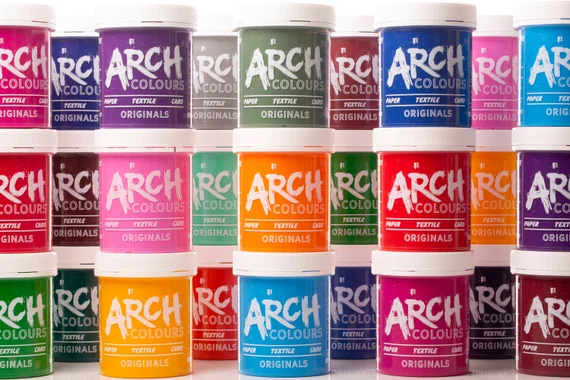
8. Water-Based Ink:
- Characteristics: Water-based ink is eco-friendly and easy to clean, making it ideal for printing on natural fibers like cotton. It penetrates the fabric, creating a soft, breathable design.
9. Epoxy Ink:
- Characteristics: Epoxy ink is known for its high strength and chemical resistance, making it suitable for printing on electronics, glass, and ceramics. Its excellent adhesion and durability make it ideal for demanding industrial environments.
10. Acrylic Ink:
- Characteristics: Acrylic ink offers good water resistance and UV stability, making it suitable for outdoor signage, plastics, and metal surfaces. Once dried, acrylic ink provides excellent durability, perfect for products exposed to the elements.
Industrial Applications
1. Flexible Printed Circuits (FPCs):
- Ink Used: Conductive Ink
- Application Details: In FPC production, conductive ink is essential. Vility’s CCD screen printing machine precisely applies this ink to circuit boards, ensuring high conductivity and durability to meet the stringent requirements of electronic products.
2. Automotive Panels and Decorative Parts:
- Ink Used: Abrasion-Resistant Ink, Solvent-Based Ink
- Application Details: Automotive panels require inks that maintain their quality in high-wear environments. Abrasion-resistant and solvent-based inks provide high durability and chemical resistance. Vility’s CCD screen printing machine ensures precise application of these inks, extending the product’s lifespan.
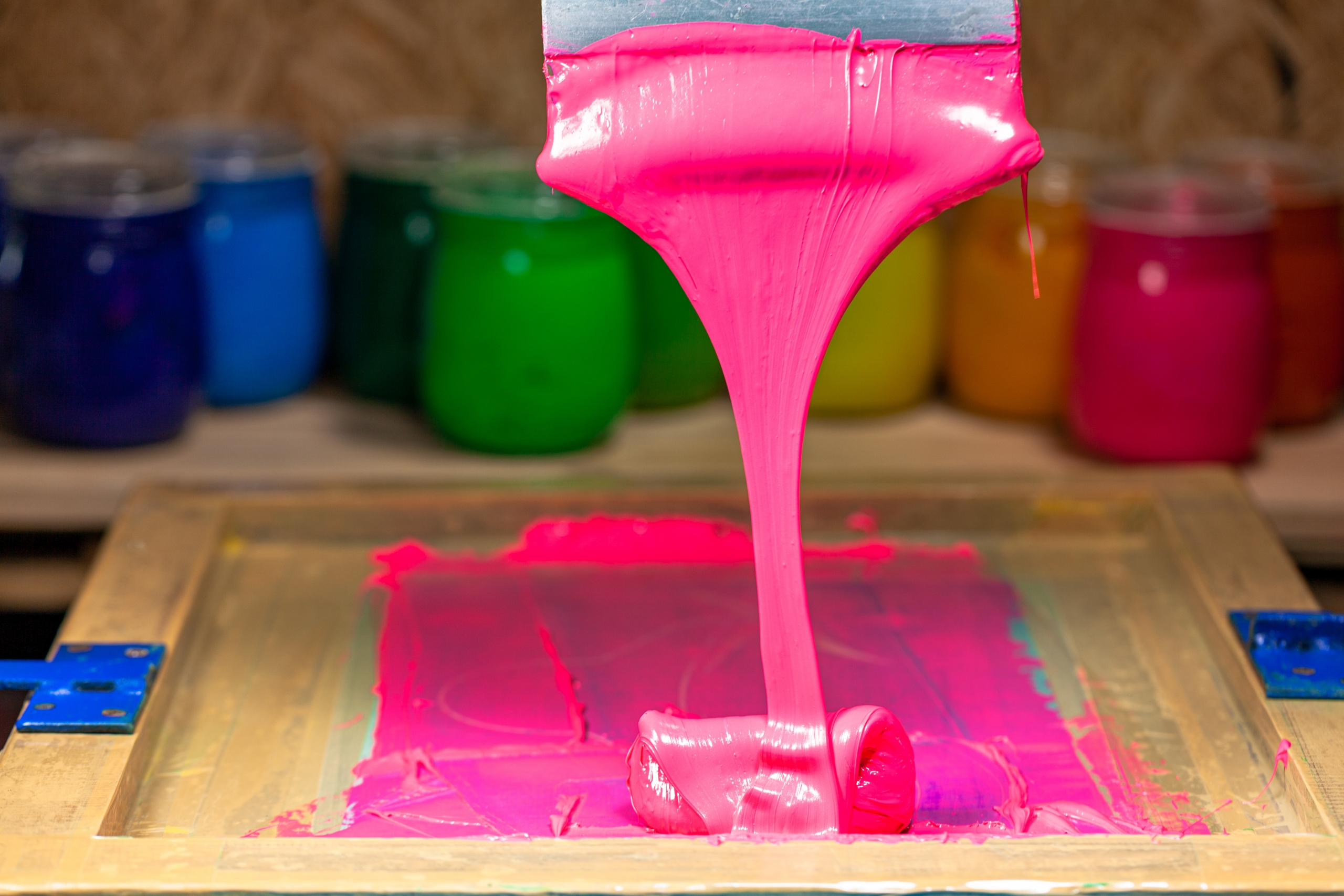
3. Consumer Electronics (Screens and Panels):
- Ink Used: UV-Cured Ink, Epoxy Ink
- Application Details: The consumer electronics industry widely uses UV-cured ink for its rapid curing and long-lasting finish, while epoxy ink provides exceptional durability and adhesion for electronic components. Vility’s CCD screen printing machine ensures high-quality printing on screens and panels, enhancing the product's overall competitiveness.
4. Medical Devices (Sensors and Panels):
- Ink Used: Biocompatible Ink
- Application Details: Medical devices require inks that meet stringent safety standards. Biocompatible ink is carefully handled by Vility’s CCD screen printing machine to ensure safe and functional printing on medical sensors and panels.
5. High-End Labels and Anti-Counterfeiting Printing:
- Ink Used: Security Ink, Acrylic Ink
- Application Details: High-end labels and anti-counterfeiting applications require specialized inks. Security ink, with its unique effects, and acrylic ink, known for its durability, are expertly applied using Vility’s CCD screen printing machine, helping manufacturers produce secure and high-value products.
6. Textile Printing:
- Ink Used: Plastisol Ink, Water-Based Ink
- Application Details: Plastisol and water-based inks are common in textile printing, particularly for t-shirts and other fabrics. Vility’s CCD screen printing machine ensures even ink distribution and sharp designs, producing comfortable and durable textiles.
Choosing the right ink is crucial to the success of the silk screen printing process. Vility’s CCD screen printing machine, with its superior precision and versatility, excels in handling various ink types across multiple industries. Understanding and correctly applying these ink types can significantly enhance product performance and market competitiveness, helping businesses thrive in a competitive market.

VILITY is a Professional manufacturer, providing ONE-STOP SOLUTION for intelligent printing industry.

